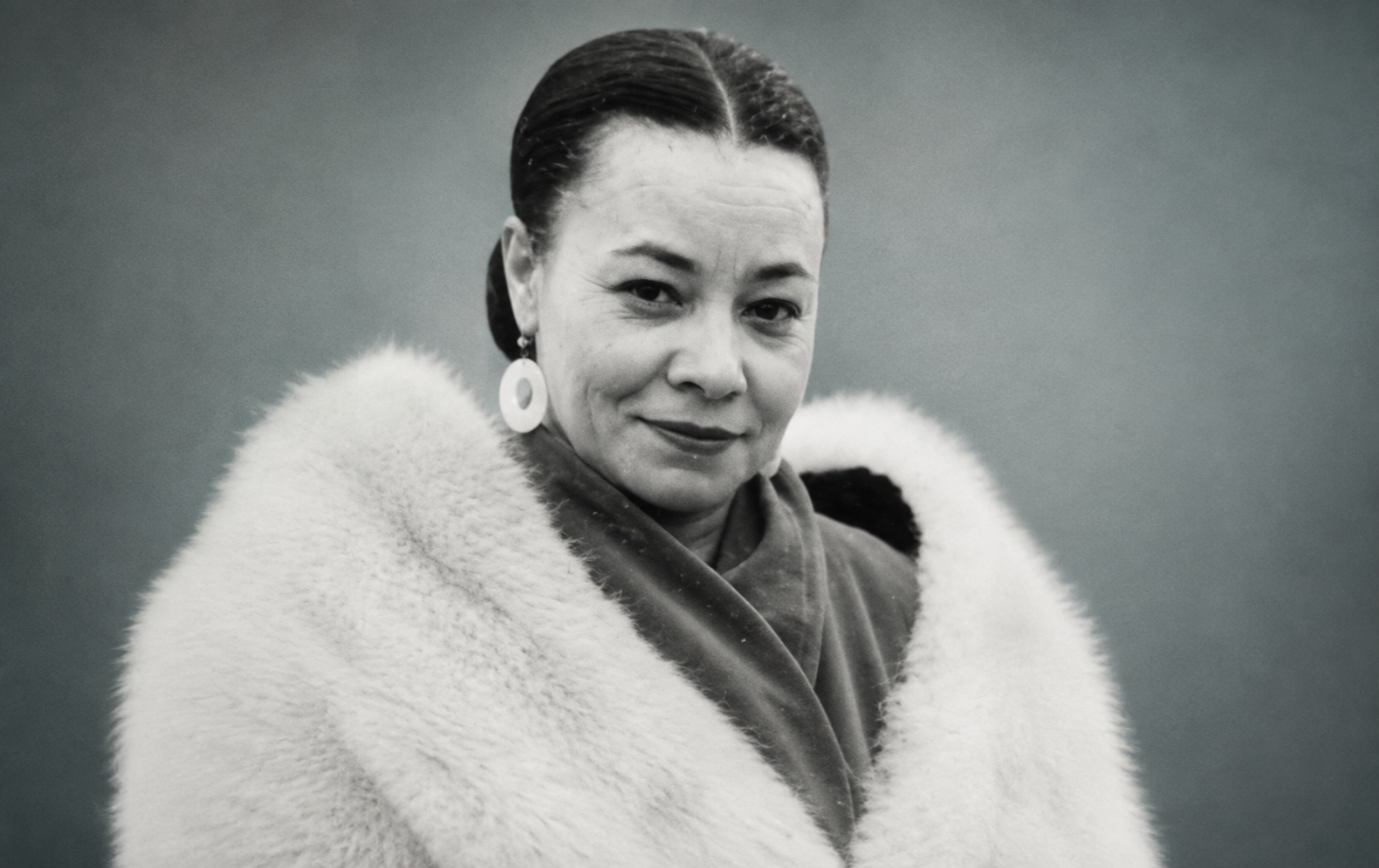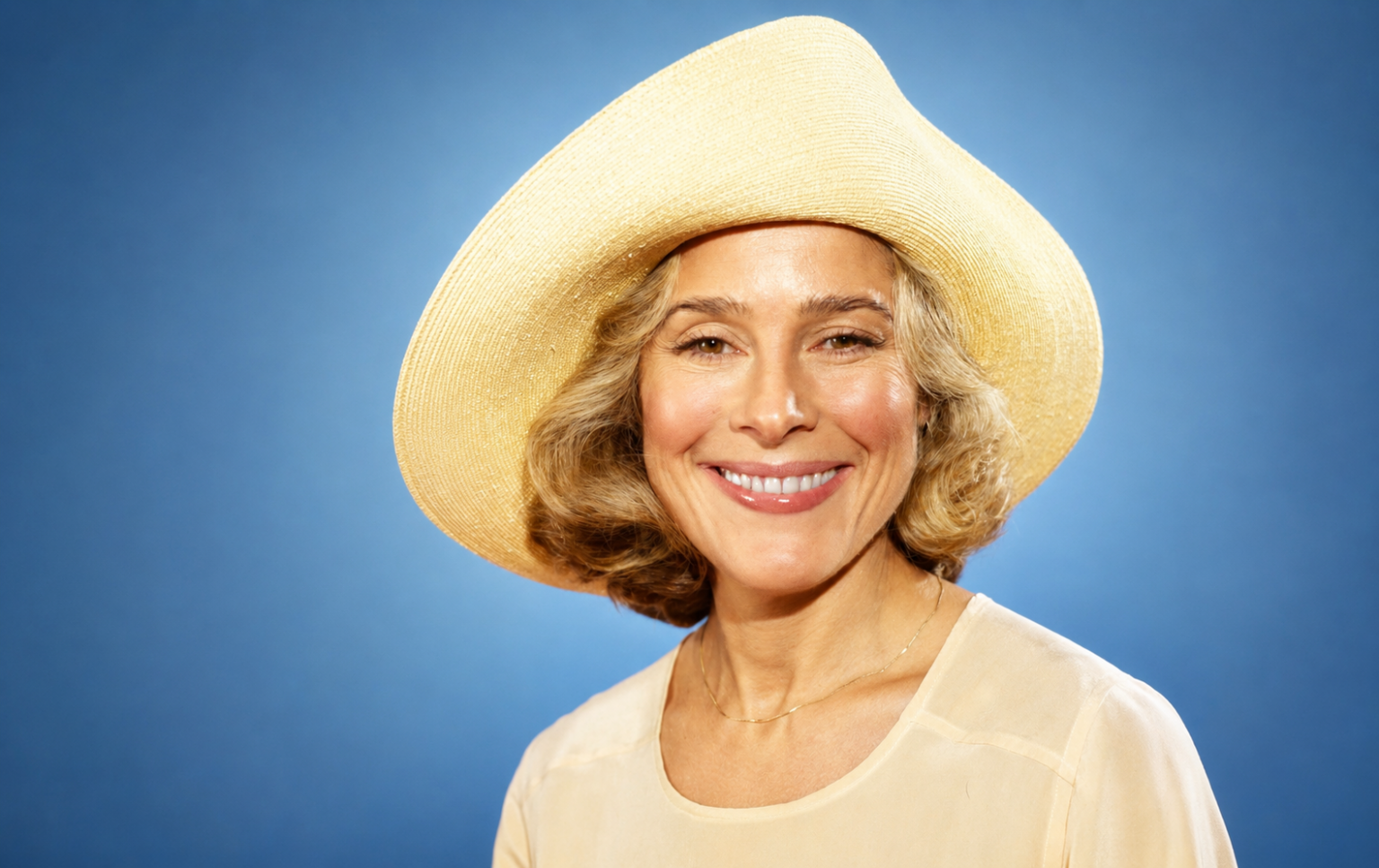
Joan Hackett is one of those actresses whose face you recognize instantly even when her name doesn’t come to mind first. She won a Golden Globe, earned an Academy Award nomination, swept the major off-Broadway prizes in a single season, and did it all while carrying a reputation as one of the most exacting performers of her generation. She was also, and this gets lost on most biography pages, a daughter of East Harlem.
Below is the full picture: the career timeline, the essential roles, the awards, and clear, sourced answers to the questions people actually search for — her real birth year, how she died, and whether she was related to Buddy Hackett (she wasn’t).
Joan Hackett at a Glance
| Full name | Joan Ann Hackett |
| Born | March 1, 1934, East Harlem, New York City |
| Died | October 8, 1983, Encino, California (age 49) |
| Profession | Stage, film and television actress |
| Key awards | Golden Globe (Best Supporting Actress), Obie, Theatre World Award, Drama Desk Award; Academy Award and BAFTA nominee |
| Spouse | Richard Mulligan (married 1966, divorced 1973) |
| Children | None |
One correction worth making up front, because several sources get it wrong: Hackett was born in 1934, not 1942. That means she was 49 when she died, not 41. Some reference pages still carry the mistaken date, which is exactly the kind of error a careful profile should fix.
Early Life and Her Harlem/NYC Connection
Joan Hackett was born and raised in East Harlem, the daughter of a Neapolitan-immigrant mother, Mary Esposito, and an Irish-American father, John Hackett. She grew up Catholic and attended Catholic schools, a working-class New York upbringing a world away from the polished screen presence she’d later be known for.
She left school in the twelfth grade to model — a decision that paid off fast. In 1952 she landed the cover of Harper’s Junior Bazaar, which launched a working modeling career and gave her the financial footing to study acting. She trained under Lee Strasberg, the high priest of Method acting in New York, and threw herself into the city’s mid-century theater scene.
That East Harlem origin matters. Hackett came out of the same uptown cultural corridor that produced generations of performers, and her breakout put her in a room with figures whose names run straight through Harlem’s artistic history. It’s a lineage we cover across the site, including work like Ivan Dixon’s Harlem-rooted film career.
Career Timeline
Hackett’s rise was unusually clean: stage first, then screen, with the awards following almost immediately.
- 1961 — off-Broadway breakout. Hackett starred as Chris in Call Me by My Rightful Name, opposite a young Robert Duvall and dancer-choreographer Alvin Ailey. The role won her a rare trifecta in a single season: the Obie, the Theatre World Award and the Drama Desk Award.
- 1961–1965 — television. She became a recurring presence on CBS’s acclaimed legal drama The Defenders, one of the most respected series of its era.
- 1966 — film debut. Hackett played Libby MacAusland in Sidney Lumet’s The Group, an adaptation of Mary McCarthy’s novel, and earned a BAFTA nomination for it.
- 1968–1974 — a strong screen run. She appeared as Catherine Allen in the revisionist Western Will Penny (1968) opposite Charlton Heston, as Prudy Perkins in the comedy Support Your Local Sheriff! (1969), as Lee in the star-packed mystery The Last of Sheila (1973), and in The Terminal Man (1974).
- 1981 — her peak recognition. As Toni in Only When I Laugh, adapted from Neil Simon’s play, Hackett earned an Academy Award nomination for Best Supporting Actress and won the Golden Globe in the same category.
- 1983 — final work. She kept working through her illness, appearing in television and film roles until shortly before her death.
Essential Roles: The Joan Hackett Starter Kit
If you want to understand why she was so admired, these are the performances to seek out.
- Chris in Call Me by My Rightful Name (stage, 1961) — the role that announced her, and the reason critics took her seriously from day one.
- Libby MacAusland in The Group (1966) — her film debut and BAFTA-nominated screen introduction.
- Catherine Allen in Will Penny (1968) — often cited as her finest screen work; her scenes with Charlton Heston give the Western an unexpected tenderness.
- Prudy Perkins in Support Your Local Sheriff! (1969) — proof of her comic timing in one of the most beloved Western comedies.
- Lee in The Last of Sheila (1973) — a sharp turn in a cult-favorite puzzle-box mystery.
- Toni in Only When I Laugh (1981) — the Oscar-nominated, Golden Globe-winning performance that stands as her career capstone.
Cultural Impact and Legacy
What set Hackett apart wasn’t box-office dominance — it was range and respect. Few performers of her generation pulled off a genuine stage-to-screen award sweep, winning the Obie, Theatre World and Drama Desk on stage and then landing an Oscar nomination and a Golden Globe on film. That breadth made her a working actor’s actor.
She was also politically and socially engaged in ways that rounded out the résumé. Hackett was an early advocate for solar energy, and she took part in the fight to preserve New York’s Morosco Theatre, one of the Broadway houses ultimately demolished in the early 1980s. It’s a side of her that tribute pieces tend to skip, but it belongs in any honest account of her legacy.
And there’s the Harlem thread. Hackett’s East Harlem roots place her within the neighborhood’s long tradition of producing notable performers, a story we return to often in our coverage of Harlem film, theater and music.
How Joan Hackett Died
Hackett was diagnosed with ovarian cancer in 1981, around the same time her career was reaching its highest visibility. She died on October 8, 1983, at Encino Hospital in California, at age 49. The premature loss is part of why she’s sometimes remembered as an actress whose best years were cut short — her Oscar-nominated performance had come only two years earlier.
Her final wishes carried a touch of the wit friends knew her for. Hackett was buried at Hollywood Forever Cemetery, and her headstone famously reads, “Go away — I’m asleep.”
FAQs
How did Joan Hackett die, and how old was she?
Joan Hackett died of ovarian cancer on October 8, 1983, at Encino Hospital in California. She had been diagnosed in 1981. She was 49 years old, having been born on March 1, 1934 — not 1942, as some sources mistakenly list.
What was Joan Hackett best known for as an actress?
She was best known for her Oscar-nominated, Golden Globe-winning role in Only When I Laugh (1981), her off-Broadway breakout in Call Me by My Rightful Name, and film roles in Will Penny, Support Your Local Sheriff! and The Last of Sheila.
Did Joan Hackett win any awards?
Yes. She won a Golden Globe for Best Supporting Actress, plus the Obie, Theatre World Award and Drama Desk Award for her stage work. She was also nominated for an Academy Award for Only When I Laugh and a BAFTA for The Group.
Was Joan Hackett married, and did she have children?
Joan Hackett was married to actor Richard Mulligan from 1966 until their divorce in 1973. They had no children, and she did not remarry.
Is Joan Hackett related to Buddy Hackett?
No. Despite the shared surname and the fact that both were performers active in the same era, Joan Hackett and comedian Buddy Hackett were not related.
What was Joan Hackett’s net worth when she died?
There is no reliably documented figure for Joan Hackett’s net worth at the time of her death in 1983. Any specific numbers circulating online are unsourced estimates and should be treated with skepticism.