Few figures in American film history are as misunderstood as Stepin Fetchit. To some he was a trailblazer who broke Hollywood’s color line and became its first Black millionaire; to others, a performer whose signature character set Black representation back a generation. Both readings are defensible, and the truth sits in the tension between them. Here’s the fact-dense, Harlem-anchored profile that competitors scatter across a dozen pages.
Stepin Fetchit at a Glance
| Real name | Lincoln Theodore Monroe Andrew Perry |
| Born | May 30, 1902, Key West, Florida |
| Died | November 19, 1985, Woodland Hills, California |
| Known for | The “Laziest Man in the World” character; first Black actor to receive a feature-film screen credit |
| Career span | Roughly 1925–1976, appearing in more than 40 films |
| Honors | 1976 NAACP Special Image Award; 1978 Black Filmmakers Hall of Fame |
The stage name is often read as a contraction of “step and fetch it,” but Perry himself said he lifted it from a racehorse he’d bet on. You’ll see the name misspelled constantly — steppin fetchit, step n fetch it, stepin fechit, even stepinfetchit — so if you’ve been searching under any of those, this is the person you’re looking for. The man behind the mask was Lincoln Perry, an intelligent, ambitious performer who built the character deliberately.
Early Life and Harlem/NYC Connection
Perry was born in Key West to West Indian immigrant parents. He left home young, joining traveling medicine shows and the plantation-and-carnival vaudeville circuit, where he honed the slow-talking, slow-moving comic persona that would make him famous. The name Stepin Fetchit was first half of a two-man act — “Step and Fetch It” — before Perry kept it for himself.
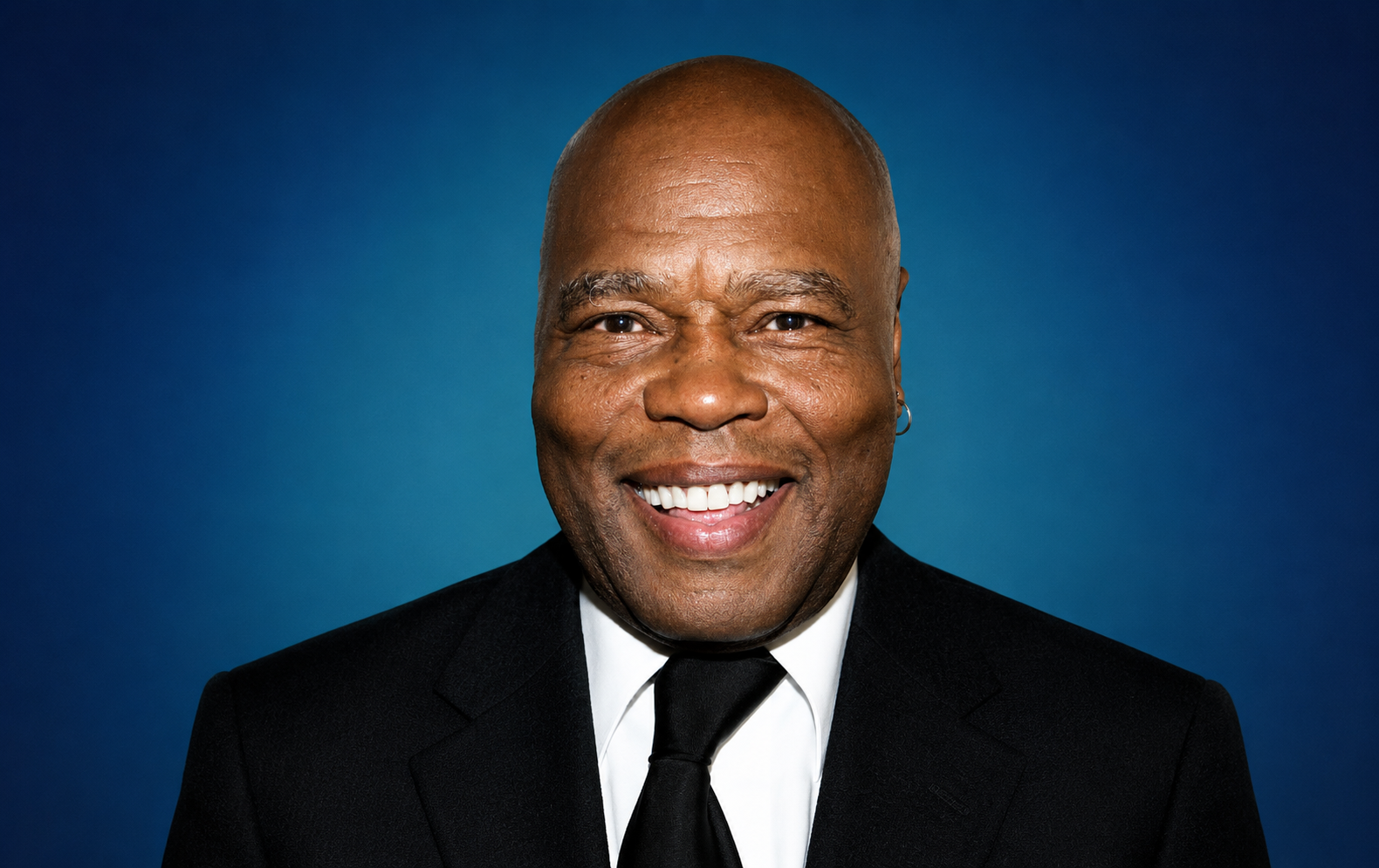
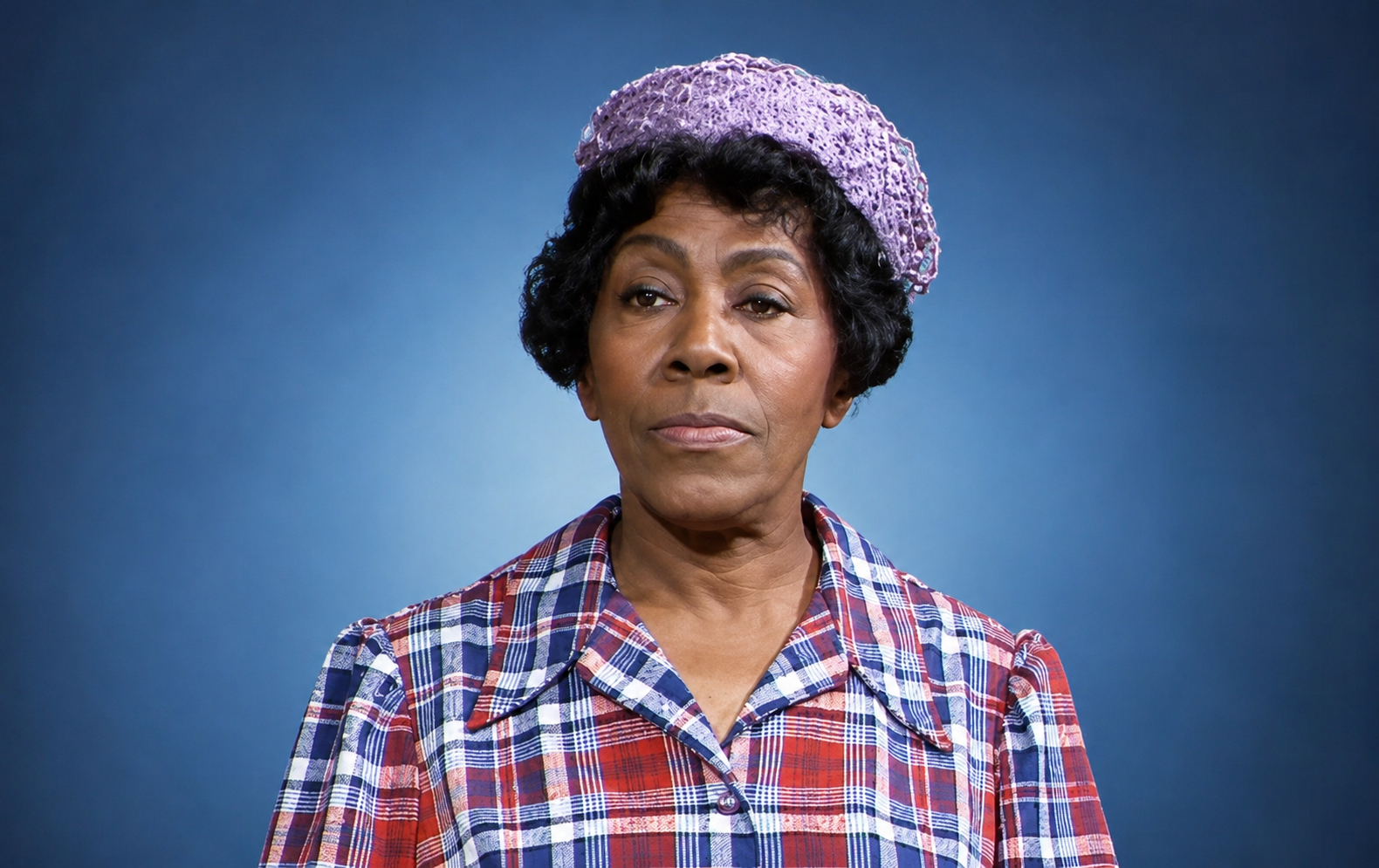
Like nearly every Black entertainer of his era, Perry’s road ran through New York. He worked the Northern vaudeville and theater circuit that fed into Harlem, and he performed on the same Lenox Avenue–anchored stages — including the Apollo Theater — that launched and sustained Black stardom in the 1920s and ’30s. Harlem was the proving ground: the neighborhood’s clubs, revues and theaters set the standard a performer had to meet before Hollywood came calling. That world of Black entertainment gave us artists whose stories we cover often, from actress Helen Martin to leading man Billy Dee Williams.
Career Timeline
Perry’s rise was fast and his fall faster. The broad arc:
- 1920s: Builds the Stepin Fetchit act through Southern and Northern vaudeville.
- 1927: Breaks into film with a role in In Old Kentucky, earning the kind of on-screen billing almost no Black actor of the silent era received.
- 1929–1935: Peak Hollywood years. Perry becomes the studios’ go-to Black performer and, by most accounts, the first Black actor to earn $1 million — living lavishly with mansions, servants and a fleet of cars.
- 1947: Files for bankruptcy after his career collapses under changing tastes and mounting debts.
- 1950s–1970s: Attempts a comeback, converts to the Nation of Islam, briefly joins Muhammad Ali’s entourage, and takes occasional small roles.
- 1976 & 1978: Receives the NAACP Special Image Award and induction into the Black Filmmakers Hall of Fame — a partial rehabilitation by the very establishment that had once condemned him.
The financial numbers are the part people forget. At his height, Perry commanded a salary that made him one of the highest-paid actors in Hollywood, Black or white — a genuinely historic achievement in a segregated industry.
Essential Roles and the Famous Walk
If you want to understand what Perry actually did on screen, start with these Stepin Fetchit movies:
- Hearts in Dixie (1929): One of the first Hollywood features with a nearly all-Black cast, and an early sound showcase for Perry.
- The Will Rogers films: Perry appeared alongside the era’s biggest star in pictures like Judge Priest (1934) and David Harum (1934). The Rogers–Fetchit pairing was one of the few interracial comedy partnerships of the period, and the two reportedly had real chemistry.
- The Sun Shines Bright (1953): John Ford’s affectionate return to the Judge Priest material, with Perry again in the cast.
The Stepin Fetchit walk — the shuffling, half-asleep gait and drawling, mumbled delivery — was the character’s signature. Read one way, it’s a demeaning caricature. Read another, it was a masterfully controlled piece of physical comedy that Perry could turn on and off with precision. That control is exactly why his legacy is so contested. Directors like Ford valued him because the “laziness” was a performance, timed to the frame.
Cultural Impact and Legacy
There is no honest way to write about Stepin Fetchit without addressing the controversy. From the civil-rights era onward, his name became shorthand for the servile, dim-witted Black stereotype — the “coon” archetype — and organizations like the NAACP pointed to his roles as a model of what Black actors should never play again. That criticism is legitimate and enduring.
But the modern reading is more layered. Cultural historian Mel Watkins argued that Perry’s character belongs to an older African American tradition of “putting on ole massa” — the trickster who plays dumb to outwit and exhaust his supposed superior. In that light, the slow-moving servant who never quite does what he’s told is quietly subversive, not simply submissive.
Perry defended himself for decades, insisting he’d opened doors: “I made the Negro a first-class citizen all over the world,” he said, arguing that his stardom created space no Black actor had occupied before.
Both things can be true. His characters trafficked in painful stereotypes, and his commercial success cracked open an industry that had shut Black performers out entirely. Later generations of Black actors and comedians — and the Black filmmakers who told fuller stories, like director Ivan Dixon — inherited a Hollywood that Perry, for better and worse, helped integrate. The reappraisal continues among film historians and critics, and it rarely lands cleanly on one side.
Perry’s personal life was marked by tragedy. His son Donald, from one of his marriages, died in 1969 in a violent shooting incident — a devastating loss late in Perry’s own difficult final decades. Perry himself suffered a stroke in 1976 and spent his last years at the Motion Picture Country Home, where he died in 1985.
For more profiles of the actors and artists who shaped this era, see our coverage of Joan Hackett and the wider Harlem cultural world.
FAQs
Who was Stepin Fetchit?
Stepin Fetchit was the stage name of Lincoln Theodore Monroe Andrew Perry (1902–1985), an American vaudeville and film comedian widely regarded as the first Black actor to receive a feature-film screen credit and to become a millionaire in Hollywood.
What is Stepin Fetchit’s real name?
His real name was Lincoln Theodore Monroe Andrew Perry, usually shortened to Lincoln Perry. “Stepin Fetchit” was a stage name he said he took from a racehorse, though it’s popularly read as a contraction of “step and fetch it.”
Was Stepin Fetchit the first Black millionaire actor?
Yes. Perry is widely credited as the first Black actor to earn $1 million and to receive on-screen billing in a Hollywood feature. At his 1930s peak he was among the highest-paid actors in the industry before a 1947 bankruptcy.
Why is Stepin Fetchit controversial?
His trademark character — a slow, shuffling, mumbling servant known as the “Laziest Man in the World” — is criticized as a demeaning racial stereotype. Others, including historian Mel Watkins, read it as a subversive trickster performance in the “putting on ole massa” tradition.
How did Stepin Fetchit die?
Perry suffered a stroke in 1976 and spent his final years at the Motion Picture Country Home in Woodland Hills, California, where he died of pneumonia and heart failure on November 19, 1985, at age 83.
Did Stepin Fetchit perform in Harlem?
Yes. Before and during his Hollywood career, Perry worked the New York vaudeville and theater circuit that ran through Harlem, including stages associated with the Apollo Theater and the Lenox Avenue entertainment scene.