
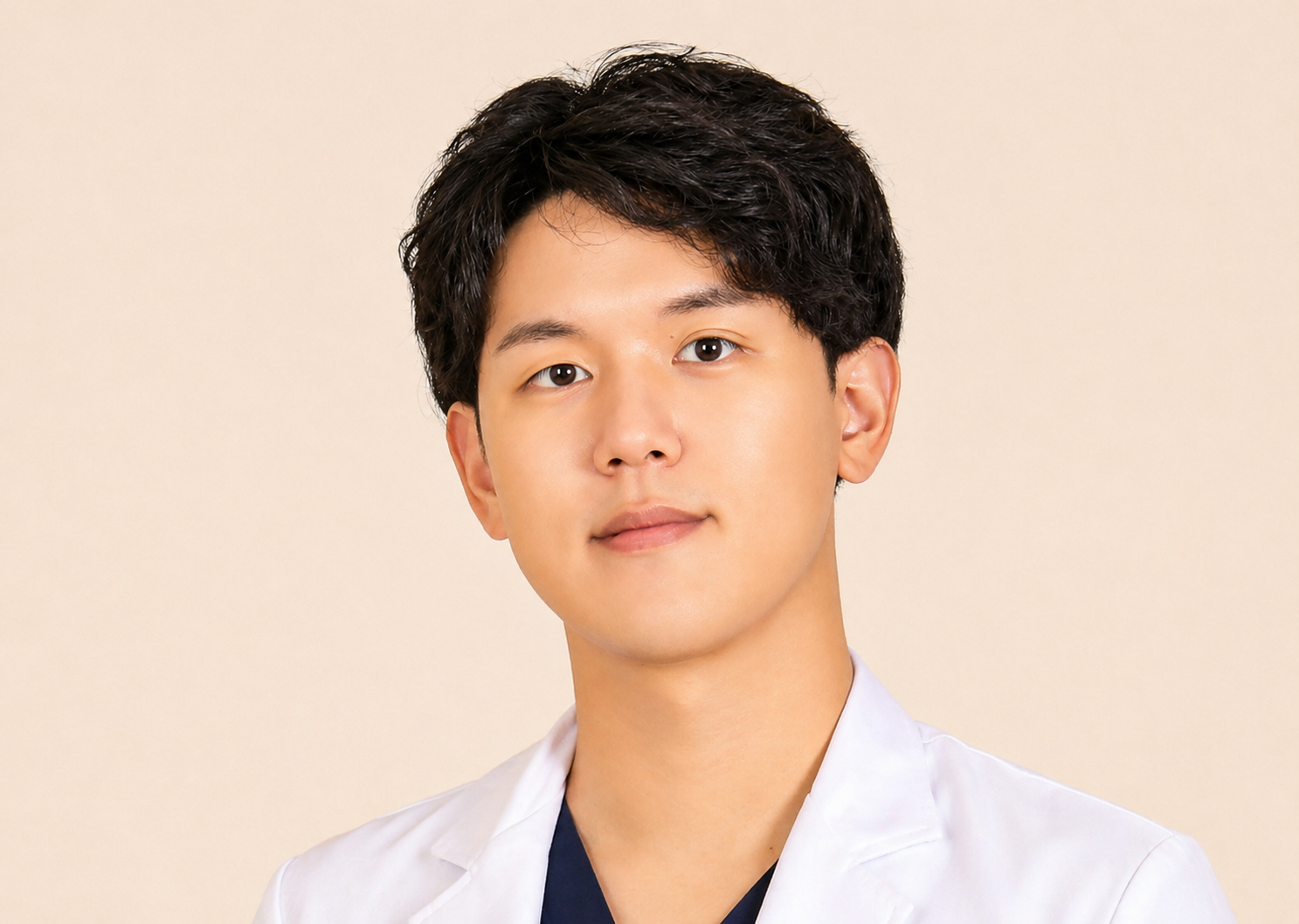
Weight loss care has often been treated like a simple formula. Eat less, move more, stay disciplined, and wait for the results. But anyone who has tried to lose weight knows the real story is much more personal than that. Food choices are tied to stress, sleep, family routines, work pressure, confidence, emotions, and the small decisions people make every day. A short clinic visit or a generic meal plan can help, but it rarely follows someone into the hardest parts of their week.
That is the gap Brian Yun is trying to address with Endo Health.
As the co-founder and CEO of Endo Health, Brian Yun is building a company focused on AI-powered weight loss care. The company’s product, Glow, is designed as an AI companion that supports people through voice conversations, daily check-ins, coaching, and telehealth-connected care. Instead of treating weight loss as a one-time prescription or a static diet plan, Endo Health is aiming to make support feel more consistent, personal, and easier to access.
What makes Brian Yun’s story especially interesting is the mix of backgrounds behind it. He is described as a medical doctor turned engineer, with experience in consumer technology and product leadership. That combination matters because the future of healthcare is not only about medical knowledge. It is also about building tools people actually want to use, return to, and trust.
Brian Yun’s Journey From Medicine to AI Healthcare
Brian Yun’s path into health tech did not follow the usual founder script. He started with medicine, which gave him a close view of the way patients struggle with lifestyle change. In healthcare, doctors often see the same pattern again and again. A patient knows what they should do, wants to improve, and may even feel motivated after a visit. Then real life gets in the way.
That gap between advice and daily action is one of the biggest problems in weight loss care. People do not fail because they lack basic information. Most already know that nutrition, exercise, sleep, and consistency matter. The harder part is having the right support when cravings hit, when motivation drops, when stress changes eating patterns, or when progress feels slow.
Brian Yun’s medical background gives him a founder advantage because he is not looking at weight loss as only a consumer app problem. He is looking at it as a care experience. That changes the way Endo Health is positioned. The company is not simply trying to build another tracker. It is trying to build a more responsive layer of support around the person.
His shift from medicine into engineering also adds another layer to the story. Endo Health’s founder profile describes him as someone who taught himself to code during medical school and later worked across engineering, product, and leadership roles. That technical experience helps explain why Endo Health is approaching weight loss through an AI-native model rather than a traditional clinic model with a light digital wrapper.
What Endo Health Is Building
Endo Health is building what it describes as an AI-native clinic for weight loss. In simple terms, that means the company wants AI to sit at the center of the care experience, not just as a chatbot added to the side of an app.
The idea is to bring together coaching, daily accountability, habit support, and telehealth access in one connected system. For users, that could mean talking with Glow, receiving check-ins, discussing goals, reviewing food choices, and getting support through calls or texts. For people who are medically eligible, the model also connects to prescription weight loss care through licensed healthcare providers.
This is important because weight loss support is often fragmented. One app may track calories. Another may offer workouts. A clinic may handle medication. A coach may help with motivation. But users are often left to connect the dots on their own. Endo Health’s larger goal is to make the experience feel more guided and continuous.
That is where personalization becomes central. A person who struggles with late-night snacking does not need the same support as someone who skips meals because of work stress. Someone taking a GLP-1 medication may need help managing habits, protein intake, meal timing, and long-term lifestyle changes. Someone who feels discouraged after a plateau may need accountability and reassurance more than another list of rules.
Endo Health is building around that human reality.
How Glow Makes Weight Loss Support More Personal
Glow is the consumer-facing AI companion connected to Endo Health’s weight loss care model. Its core promise is not just information, but ongoing support.
One of the most notable parts of Glow is its use of voice. Instead of asking users to only log food or scroll through tips, Glow is designed around short conversations. Users can talk about food, exercise, emotions, goals, and daily challenges. The product also offers daily check-ins and support through calls or texts.
That voice-first approach matters because weight loss can be emotional. A person may not always want to open an app and fill out another form. Sometimes they need to talk through what happened, reset after a difficult day, or get a small push before making a food decision. Voice can make the experience feel more natural, especially for users who want accountability without the pressure of a formal coaching session.
The personal angle is also clear in the way Glow frames its support. Weight loss is not presented as only a math problem. It is about having someone in your corner. That message is powerful because many people feel alone during the process. They may be surrounded by advice but still lack the kind of daily support that helps them stay consistent.
Glow’s value comes from trying to meet users in the moments where change actually happens. Not once a month. Not only during a doctor visit. Not only when motivation is high. The product is built around the daily rhythm of behavior change.
Why Weight Loss Needs More Than Information
The weight loss industry has never had a shortage of information. There are thousands of meal plans, workout programs, nutrition guides, and calorie calculators. Yet many people still struggle to make progress, and even more struggle to maintain it.
That is because information is only one part of the problem.
People need support that adapts to their real life. They need reminders that feel helpful rather than annoying. They need coaching that understands setbacks instead of shaming them. They need accountability when discipline feels low. They need clear next steps when they feel overwhelmed.
This is where Brian Yun’s vision for Endo Health fits into a larger shift in healthcare. The old model often waits for patients to come back after something has gone wrong. A more supportive model stays closer to the person between visits. It helps them make better decisions earlier, more often, and with less friction.
AI is not a magic solution, but it can be useful in this exact space. It can be available more often than a human coach. It can remember goals, check in consistently, and guide users through small daily decisions. When paired with proper medical oversight, it can help fill the space between traditional care and everyday life.
The Role of Medical Oversight in Endo Health’s Model
One reason Endo Health stands out from a basic wellness app is the way it connects AI coaching with healthcare access. Glow is not only positioned as a motivational tool. The company also describes a telehealth pipeline for prescription weight loss care, where appropriate.
That distinction is important. Weight loss medications, including GLP-1 treatments, should not be treated casually. They require medical review, eligibility checks, safety considerations, and ongoing guidance. Glow’s public materials describe medically supervised treatment through licensed U.S. physicians and partner pharmacies, with prescriptions depending on a health assessment and physician review.
For users, this kind of model may feel more complete than a simple app. It can support behavior change while also helping people navigate clinical care when needed. For the company, it creates a bigger responsibility. Health AI must be clear about what it can and cannot do. It must protect users, respect privacy, and avoid blurring the line between coaching and medical advice.
Brian Yun’s medical background helps make this part of the story more credible. He understands that healthcare products cannot be built only for engagement. They also need boundaries, trust, and safety. In weight loss care especially, the best product is not the one that pushes the hardest. It is the one that supports people responsibly.
Brian Yun’s Founder Advantage
Brian Yun brings together several skills that are useful for this category. He understands patients through medicine. He understands software through engineering. He understands consumer behavior through product work. That mix gives Endo Health a different kind of founder-market fit.
His background at Krafton, the company known for PUBG, is also worth noting. Gaming and healthcare may seem far apart, but they share one important challenge: keeping people engaged. In weight loss, the hardest part is not getting someone to try a product once. It is helping them stay with the process long enough for habits to change.
Consumer technology experience can help here. A health product must be useful, but it also has to feel easy enough to use every day. It has to fit into routines. It has to reduce friction. It has to make people feel supported rather than judged.
That is why Endo Health’s approach is interesting. It is not building a cold, clinical dashboard for weight loss. It is building a companion-style experience that tries to make the journey feel more personal. If the product works well, the user does not feel like they are managing a program alone. They feel like they have a guide checking in, adapting, and helping them stay on track.
Building Endo Health With Early Momentum
Endo Health is still a young company, but it has already built a strong early story around its mission. The company is listed as a San Francisco-based AI healthcare startup founded in 2024. Its public startup profile describes the team as small and focused, with Brian Yun serving as co-founder and CEO alongside co-founders Chanwoo Park and Ian Ryu.
The company has also been associated with respected startup networks and investors, including a16z Speedrun, General Catalyst, and Anne Wojcicki. For an early-stage healthcare company, that kind of backing can help with credibility, hiring, product development, and access to experienced operators.
The reported traction around Endo Health also gives the story a stronger achievement angle. Its public a16z Speedrun profile describes the company as profitable, with seven-figure ARR, strong month-over-month growth, and significant user weight loss reported through the product. These figures should be treated as company-reported, but they still show why Endo Health is attracting attention.
For Brian Yun, this momentum reflects more than startup growth. It shows that a more personal approach to weight loss care may be resonating with users. People are not only looking for medication or meal plans. Many are looking for support that feels present, flexible, and built around their actual lives.
Why Endo Health Fits the Future of Consumer Healthcare
Healthcare is slowly moving away from a model built only around appointments. Patients now expect more access, faster communication, and tools that help them manage health outside the clinic. This is especially true in areas like weight loss, metabolic health, diabetes prevention, and chronic disease management, where daily habits play such a large role.
Endo Health fits into that shift because it is built around ongoing care rather than one-time advice. The company’s model recognizes that weight loss does not happen in a doctor’s office. It happens during grocery shopping, after work, at restaurants, during stressful evenings, and in the small choices people repeat every day.
AI can support those moments in a way traditional healthcare often cannot. A physician may be essential for diagnosis, medication decisions, and medical oversight, but a doctor cannot call every patient daily. A coach can help, but human coaching can be expensive and difficult to scale. AI can create a more accessible support layer, especially when it is designed with responsible guardrails.
That is the opportunity Brian Yun is pursuing with Endo Health. He is not replacing healthcare with AI. He is using AI to make certain parts of care more available, more conversational, and more personal.
What Makes Endo Health Different From a Basic Weight Loss App
Many weight loss apps ask users to track calories, count steps, or follow a plan. Those tools can be useful, but they often rely heavily on user discipline. If someone stops logging, the app loses value. If someone feels ashamed after a bad day, they may avoid opening it altogether.
Endo Health’s approach is different because it focuses more on conversation and accountability. Glow is designed to talk with users, check in with them, and provide support through the day. That can make the experience feel less like homework and more like guidance.
The company also blends coaching with care navigation. That matters because modern weight loss care is becoming more layered. Some users may only need habit support. Others may need medical evaluation. Some may be considering GLP-1 treatment. Others may need help maintaining progress after medication or after an initial weight loss phase.
A more complete platform can help users move through those stages without feeling lost. That is where Endo Health’s AI-native clinic idea becomes more meaningful. It is not just about giving advice. It is about building a care pathway that feels connected.
The Human Side of AI Weight Loss Care
The phrase AI healthcare can sound cold, but Endo Health’s product direction points toward something more human. Weight loss is personal. It can affect confidence, relationships, energy, health risks, and self-image. A good care experience needs empathy, not just automation.
This is why Brian Yun’s work matters in the broader digital health space. He is building in a category where trust is everything. Users need to feel that the product understands their goals without judging them. They need to know that medical decisions are handled responsibly. They need support that is practical, not overwhelming.
Glow’s companion-style model is one attempt to make that possible. By using voice, daily check-ins, and personalized coaching, it tries to make the process feel less isolating. It gives users a place to restart after a setback, ask for help, and stay connected to their goals.
That kind of support can be powerful because lasting weight loss is rarely built on perfect behavior. It is built on returning to the plan after imperfect days. A product that helps users recover quickly from setbacks may be more valuable than one that only rewards perfect tracking.
Challenges Endo Health Will Need to Navigate
Endo Health is building in a promising but difficult market. Weight loss is crowded, competitive, and sensitive. Users have seen many products promise transformation, only to leave them disappointed. To stand out, Endo Health will need to prove that its model leads to real, lasting support.
Trust will be one of the biggest challenges. AI healthcare companies need to be clear about how their systems work, what data they use, and when a licensed professional is involved. This is especially important when medication is part of the care pathway.
Compliance will also matter. Privacy, medical supervision, prescription safety, and patient protection must remain central as the company grows. A product can be friendly and conversational, but healthcare still requires serious guardrails.
Endo Health will also need to balance personalization with responsibility. Users may want instant answers, but not every health question should be answered by AI alone. The strongest version of the model will likely be one where AI handles everyday support while clinicians remain responsible for medical decisions.
Why Brian Yun’s Work With Endo Health Stands Out
Brian Yun’s work with Endo Health stands out because it sits at the intersection of medicine, AI, consumer product design, and behavior change. He is building for a problem that millions of people understand personally. Weight loss is not just about numbers on a scale. It is about support, confidence, consistency, and health.
Endo Health’s biggest idea is simple but important: people need more than instructions. They need care that follows them into daily life. They need support that understands the emotional side of change. They need tools that are easy to return to, even after a difficult day.
By building Glow as an AI companion and positioning Endo Health as an AI-native clinic, Brian Yun is trying to make weight loss care feel more personal and more continuous. That is the real achievement behind the company’s early momentum. It is not only using AI because AI is new. It is using AI to solve a familiar healthcare problem in a more accessible way.
For patients, that could mean fewer lonely moments in the process. For healthcare, it points toward a future where support does not end when the appointment does. And for Brian Yun, it marks the next step in a founder journey shaped by medicine, engineering, and a clear belief that weight loss care should feel more human.


