
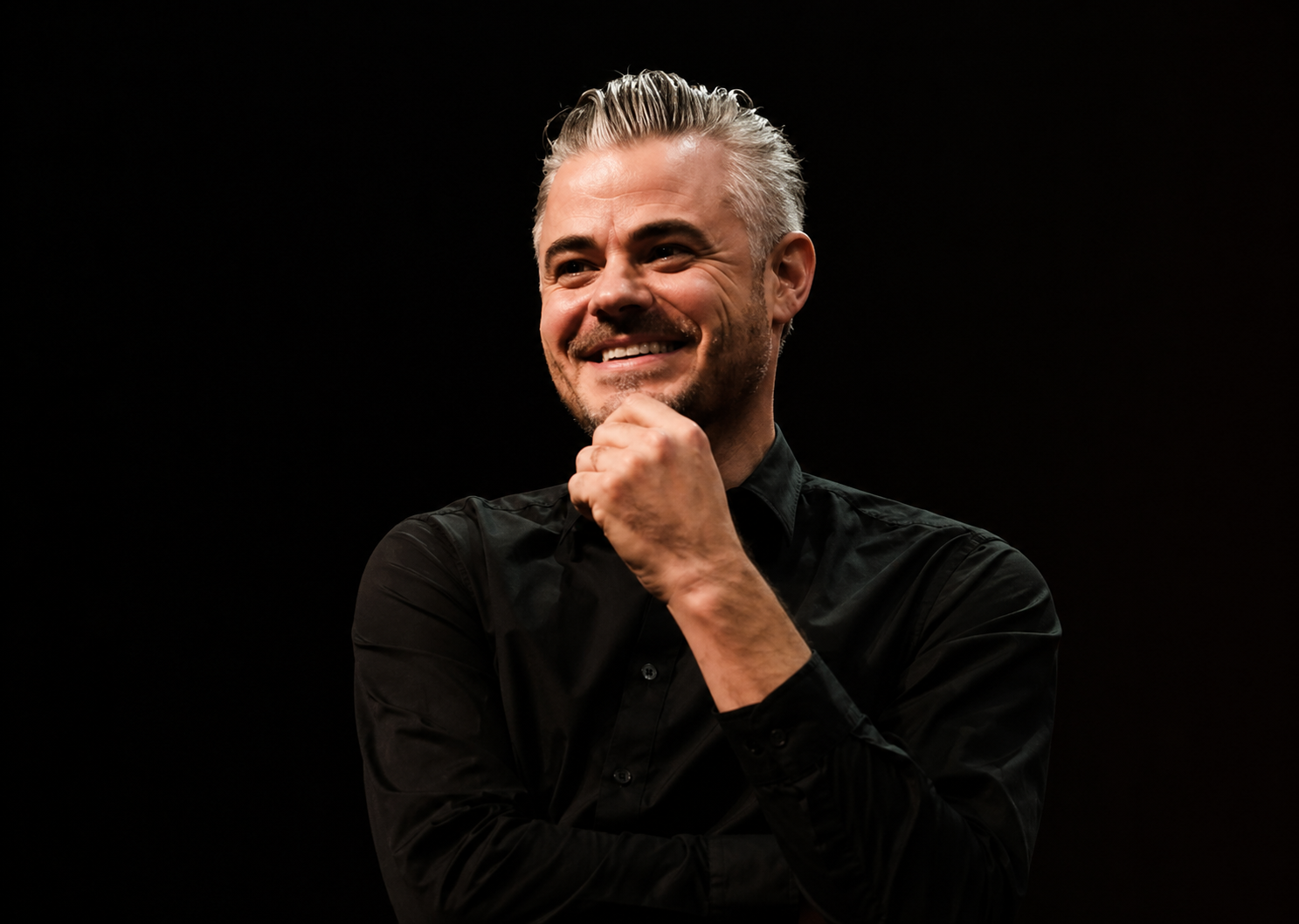
Scott Harrison’s story stands out because it does not begin in the nonprofit world at all. Before he became the founder of charity: water, he was known for a very different life in New York City. He spent nearly a decade as a nightclub promoter, working in an environment built around image, excess, and late nights. On paper, it looked exciting. From the inside, though, it left him feeling empty.
That part of his life matters because it explains why charity: water was never built like a standard nonprofit. It came out of a personal reset. Harrison did not simply spot a gap in the market or decide to launch a mission-driven organization because it sounded meaningful. He walked away from one life, stepped into another, and carried that change into the way he built his company, told its story, earned donor trust, and scaled its impact.
That is what makes the success of Scott Harrison and charity: water worth paying attention to. This is not just a founder story. It is a story about personal reinvention, purpose-driven leadership, nonprofit transparency, and how a clear mission can turn into measurable global impact.
Scott Harrison’s life before charity: water
Long before Scott Harrison became associated with clean water access, he was working in nightlife. He promoted clubs and events in Manhattan and lived in a world that revolved around appearances, status, and nonstop activity. It was fast, social, and high energy, but it also pushed him further away from any real sense of purpose.
When people look at successful founders, they often focus on the polished version of the story. In Harrison’s case, the earlier chapter is too important to skip. His life before charity: water created the contrast that gave the mission its emotional force. He had experienced what it felt like to chase excitement and still feel disconnected. That is part of why his later commitment to social impact felt so serious and so complete.
His story also makes charity: water more relatable to readers who are not coming from the nonprofit sector. He was not shaped by a traditional philanthropy background. He was someone who changed direction after realizing the life he had built no longer matched the kind of person he wanted to be.
The turning point that changed his direction
The real shift came when Scott Harrison left nightlife and signed up to volunteer on a hospital ship off the coast of Liberia in West Africa. He served as a photojournalist, documenting surgeries and the daily realities faced by people living in difficult conditions. It was a dramatic change from the life he had been living in New York.
That experience mattered for more than personal growth. It gave him direct exposure to suffering, inequality, and the clean water crisis in a way that statistics alone never could. He saw communities dealing with unsafe water, preventable disease, and daily struggles tied to basic access. He also saw how deeply water insecurity affects health, dignity, education, and opportunity.
This was bigger than a career change. It was a moral reset. Harrison has often been open about the fact that he wanted the exact opposite of his old life. That desire for a full reversal is one reason his later leadership style felt so intentional. He was not trying to improve his image. He was trying to build a life around service, accountability, and real-world impact.
How personal reinvention became the foundation of charity: water
When Harrison returned to New York, he did not leave that experience behind. Instead, he used it as the starting point for something new. In 2006, he founded charity: water with a clear mission to bring clean and safe drinking water to people around the world.
From the beginning, the organization reflected the mindset behind his reinvention. Harrison had seen enough to understand that people needed more than emotional appeals. They needed a reason to trust. They needed a mission that felt clear, practical, and honest. He built charity: water around a simple idea with universal meaning. Clean water is fundamental to life, and millions of people still live without reliable access to it.
The strength of that mission helped the organization grow, but the mission alone was not the whole story. Plenty of nonprofits care deeply about important issues. What helped charity: water stand out was the way Harrison combined empathy with clarity, and storytelling with proof.
Why Scott Harrison built charity: water differently
One of the smartest things Scott Harrison understood early on was that many people want to give, but hesitate because they do not fully trust where their money will go. Donor skepticism is real, especially in the nonprofit world. People have heard vague promises before. They have seen charity messaging that asks for emotion without offering much transparency.
charity: water responded by building a model that felt unusually direct. The organization became widely known for its promise that 100 percent of public donations would go directly to fund clean water projects, while a separate group of private donors covered operating expenses. That promise gave supporters something concrete to hold onto.
This was not just a fundraising tactic. It was part of the brand’s identity. Harrison’s personal reinvention had made honesty central to the way he wanted to operate. He was not interested in creating something that felt polished but unclear. He wanted a trust-based fundraising model that could make people feel confident in their giving.
That decision shaped the company’s growth. It gave charity: water a clearer message, a more memorable nonprofit model, and a strong answer to one of the biggest objections donors usually have.
How transparency helped charity: water stand out
Transparency became one of the strongest parts of the charity: water brand. The organization did not just say donations mattered. It worked to show people how and where money was being used. Over time, that meant proving funded water projects with photos, GPS coordinates, and project details that supporters could actually look at.
That level of accountability helped charity: water build donor trust in a crowded nonprofit space. It also made the organization feel modern. Instead of relying only on broad claims about doing good, it leaned into proof-based philanthropy and visible impact.
This approach matched Harrison’s broader leadership story. Once he had rebuilt his life around purpose, the organization he founded had to reflect that same sense of credibility. Transparency was not a side feature. It was one of the clearest ways the mission became believable at scale.
For readers interested in nonprofit innovation, this is one of the most important parts of the story. charity: water did not only raise awareness around the global water crisis. It also helped change expectations around what nonprofit accountability could look like.
The fundraising ideas that made the mission feel personal
Another reason charity: water grew so effectively is that Scott Harrison understood how to make a global issue feel personal. Clean water access can sound like a huge and distant challenge if it is framed only in terms of worldwide need. Harrison and his team found ways to connect the mission to individual action.
One of the best examples was the birthday campaign. Instead of asking people to donate in a generic way, charity: water encouraged supporters to give up their birthdays and ask friends to contribute to clean water projects instead of buying gifts. It was simple, personal, and easy to share.
That idea worked because it made supporters part of the story. It turned charitable giving into participation. It also fit perfectly with the organization’s larger brand. charity: water was not trying to guilt people into donating. It was inviting them to do something meaningful, visible, and community-driven.
This kind of fundraising showed that Harrison understood more than mission. He understood audience behavior, emotional connection, and how storytelling can support long-term growth.
How Scott Harrison turned storytelling into a growth engine
Storytelling has always been central to the rise of charity: water. That is not surprising when you remember Harrison’s background as a photojournalist and communicator. He knew how to make people care, but he also knew that good storytelling works best when it is grounded in something real.
The organization became known for strong visuals, compelling field stories, and a donor experience that felt direct rather than abstract. It helped people connect the water crisis to real communities, real families, and real outcomes. Instead of treating water access as a distant policy issue, charity: water made it human.
That gave the brand a clear edge. In a crowded digital environment, organizations compete for attention all the time. charity: water built a voice that felt emotionally resonant without sounding vague. It combined urgency with dignity, and inspiration with evidence.
This is one of the biggest reasons Scott Harrison’s success deserves attention beyond the nonprofit sector. He built a mission-driven brand that understood communication at a high level. He showed that social entrepreneurship is not only about caring deeply. It is also about presenting a mission in a way people remember, trust, and want to support.
How charity: water grew beyond one founder’s story
As powerful as Harrison’s reinvention story is, charity: water became successful because it grew beyond the founder himself. The organization expanded by building systems, forming local partnerships, and focusing on sustainable water projects rather than one-time gestures.
Its model depends on working with experienced local partners that implement community-owned water systems in different countries. That matters because clean water access is not solved by dropping in temporary help. Sustainable solutions require maintenance, local involvement, and an understanding of each community’s needs.
Over time, charity: water has grown into one of the most recognizable organizations in the water sector. It has funded hundreds of thousands of water projects across 29 countries and says those projects will serve more than 21 million people. Those numbers reflect scale, but they also show how a clearly defined mission can expand when the message, the model, and the trust all line up.
This is where the story moves from personal transformation to organizational achievement. Scott Harrison may have started with a life change, but the company’s long-term success came from turning that personal conviction into a repeatable impact model.
Balancing inspiration with measurable impact
A lot of founder-led stories stay at the level of inspiration. charity: water has tried to go further than that by pairing emotional storytelling with measurable outcomes. The organization has put increasing attention on data, field learning, and the challenge of understanding water access in a deeper way.
That shift matters because it shows maturity. A nonprofit can be compelling and still remain serious about evidence. charity: water has talked about using tools and research methods that help measure water insecurity more accurately in data-scarce environments. That kind of work strengthens credibility because it shows the organization is not content with surface-level success language.
For anyone writing about Scott Harrison and charity: water, this is an important angle to include. The company’s achievement is not just that it raised a lot of money or built a recognizable brand. It is that it continued to evolve toward measurable impact, stronger accountability, and better understanding of what sustainable clean water solutions actually require.
What Scott Harrison’s success with charity: water really shows
The most interesting part of Scott Harrison’s story is not simply that he left one career and started another. It is that his personal reinvention shaped the DNA of the organization he built. charity: water reflects the values that came out of that turning point, including honesty, clarity, purpose, accountability, and trust.
That is why the success of Scott Harrison and charity: water feels bigger than a standard founder profile. He built more than a nonprofit organization. He helped create a modern model for charitable giving that connected clean water, donor confidence, community impact, and transparent storytelling.
His achievement also says something broader about leadership. Reinvention can be powerful when it is not treated as a personal branding exercise, but as the beginning of meaningful work. In Harrison’s case, that reinvention became the foundation for a mission that resonated globally.
For readers, that is what makes this story memorable. Scott Harrison did not just change his own life. He built charity: water in a way that invited millions of other people to become part of a cleaner, more accountable, and more human vision of philanthropy.


