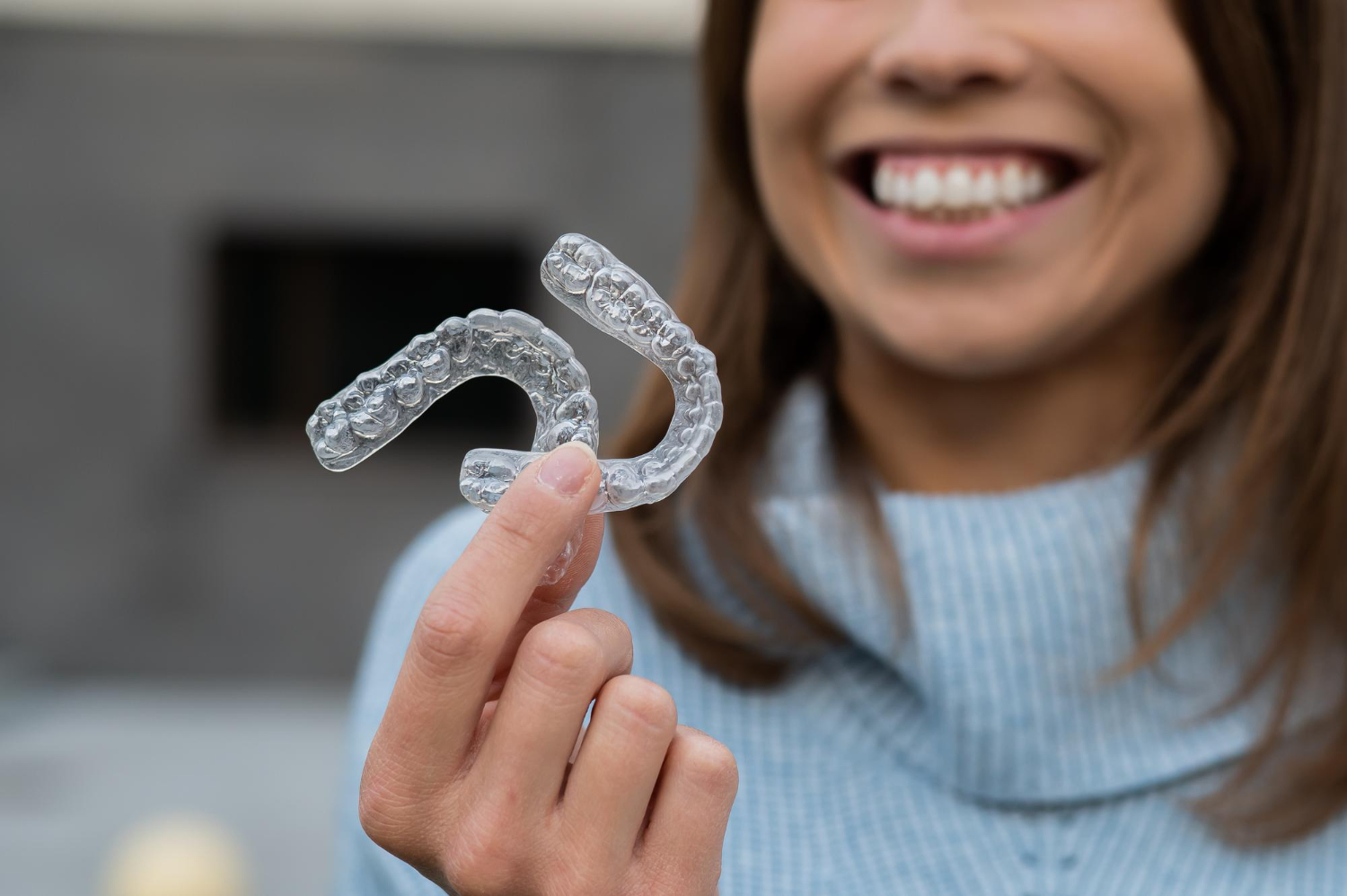
Invisalign has become the go-to choice for people who want to straighten their teeth without the appearance of traditional braces. These clear aligners offer comfort, discretion, and effective results. But there’s one catch—they can be expensive. That’s when many people start wondering: Can Medicaid cover Invisalign? In this guide, we’ll break it all down for you in plain, helpful language.
What Is Invisalign and Why Is It So Popular?
Invisalign is a modern orthodontic treatment that uses a series of custom-made, clear plastic aligners to gradually move teeth into their ideal position. Unlike metal braces, Invisalign is nearly invisible, removable, and generally more comfortable.
Its growing popularity comes from benefits such as:
- Clear, low-profile appearance
- Removable for meals and brushing
- Greater comfort with fewer mouth sores
For teens and adults alike, Invisalign offers a discreet way to achieve a confident smile—if the cost is manageable.
What Is Medicaid and Who Qualifies for It?
Medicaid is a government-funded health insurance program that helps low-income individuals and families access essential medical care. It’s jointly funded by the federal government and individual states, which is why benefits vary.
Those typically eligible for Medicaid include:
- Low-income adults and children
- Pregnant women
- Seniors
- Individuals with disabilities
Some Medicaid programs include dental and orthodontic services, though the extent of coverage depends on your state.
Can Medicaid Cover Invisalign?
Here’s the short answer: Medicaid rarely covers Invisalign. Most state Medicaid plans consider Invisalign to be a cosmetic treatment, which means it’s not covered under normal guidelines.
That said, there are a few rare exceptions, mostly for children or teens with severe dental conditions. Medicaid may consider Invisalign if there is a documented medical necessity and no other treatment alternative works effectively.
For adults, however, the chances of getting Invisalign through Medicaid are very slim.
What Orthodontic Treatments Does Medicaid Typically Cover?
Medicaid tends to focus on medically necessary orthodontic care, especially for children. Treatments usually covered include:
- Traditional metal braces
- Corrective appliances for jaw or bite alignment
Conditions that may qualify as medically necessary include:
- Severe overbite or underbite
- Crossbite or open bite that affects speech or eating
- Crowded teeth causing hygiene issues
Invisalign is almost always considered elective and is not typically approved.
When Could Medicaid Cover Invisalign?
Although uncommon, there are certain circumstances where Medicaid might cover Invisalign:
- A child has a severe condition and Invisalign is the only viable solution
- An orthodontist provides thorough documentation proving medical necessity
- The state’s Medicaid policy offers broader orthodontic benefits than usual
To pursue this option, you’ll need comprehensive records, including X-rays and a professional recommendation. Approval is not guaranteed but worth attempting in special cases.
Medicaid Orthodontic Coverage for Children vs. Adults
Medicaid offers much more generous dental and orthodontic coverage for children than for adults. Kids are protected under the Early and Periodic Screening, Diagnostic, and Treatment (EPSDT) benefit, which may include braces.
For children, it’s possible—though still rare—to get Invisalign if their condition meets specific criteria. Adults, however, usually only receive emergency dental care through Medicaid. This makes Invisalign coverage virtually impossible once you turn 21.
How to Find Out If Your Medicaid Plan Covers Invisalign
To check your specific eligibility, follow these steps:
- Call your state’s Medicaid office and ask about dental and orthodontic benefits.
- Consult an orthodontist who accepts Medicaid to evaluate your situation.
- Request a plan summary to review all your covered services in detail.
Coverage rules vary significantly by state, so personalized information is key.
What to Do If Medicaid Doesn’t Cover Invisalign
If your Medicaid plan denies coverage for Invisalign, you still have other options:
- Opt for traditional braces, which Medicaid is more likely to cover
- Explore lower-cost aligners like SmileDirectClub or Byte (though also rarely covered)
- Visit dental schools, where supervised students offer services at reduced rates
- Ask about monthly payment plans from your orthodontist
- Check for community clinics or nonprofits that offer sliding scale fees
With a little research, you may find affordable paths to a straighter smile.
Tips for Saving Money on Invisalign Treatment
Even if Medicaid won’t help, there are still ways to reduce Invisalign costs:
- Compare quotes from several orthodontists
- Use your FSA or HSA to pay tax-free
- Ask about Invisalign Lite, a lower-cost option for mild cases
- Watch for limited-time promotions or seasonal discounts
Planning ahead and shopping smart can make Invisalign surprisingly accessible.
Which States Might Be More Flexible with Invisalign Coverage?
Since Medicaid is state-managed, benefits vary widely. Some states offer more comprehensive dental care, such as:
- California
- New York
- Illinois
- Oregon
Even in these states, Invisalign is typically only covered under special circumstances involving children. Always check with your state’s Medicaid office for the most accurate guidance.
Conclusion
So, can Medicaid cover Invisalign? In most cases, no. Medicaid focuses on essential medical needs, and Invisalign is generally viewed as elective. Still, if you’re a parent of a child with a severe condition, there’s a narrow chance—especially if you live in a state with generous dental benefits.
If Medicaid won’t cover your Invisalign treatment, don’t worry. There are still affordable alternatives and strategies to get the care you need. The key is to be informed, persistent, and proactive in exploring all your options.
FAQs
Does Medicaid cover Invisalign for adults?
Almost never. Most states limit adult dental coverage to emergencies.
Can a child get Invisalign through Medicaid?
Sometimes—if the condition is medically necessary and well documented.
What qualifies as medically necessary orthodontic treatment?
Severe bite issues, jaw misalignment, and speech or eating difficulties may qualify.
Does Medicaid cover other clear aligners?
No. Alternatives like Byte or SmileDirectClub are also considered cosmetic.
Can I appeal if Invisalign is denied by Medicaid?
Yes. You can submit an appeal with documentation from your orthodontist.