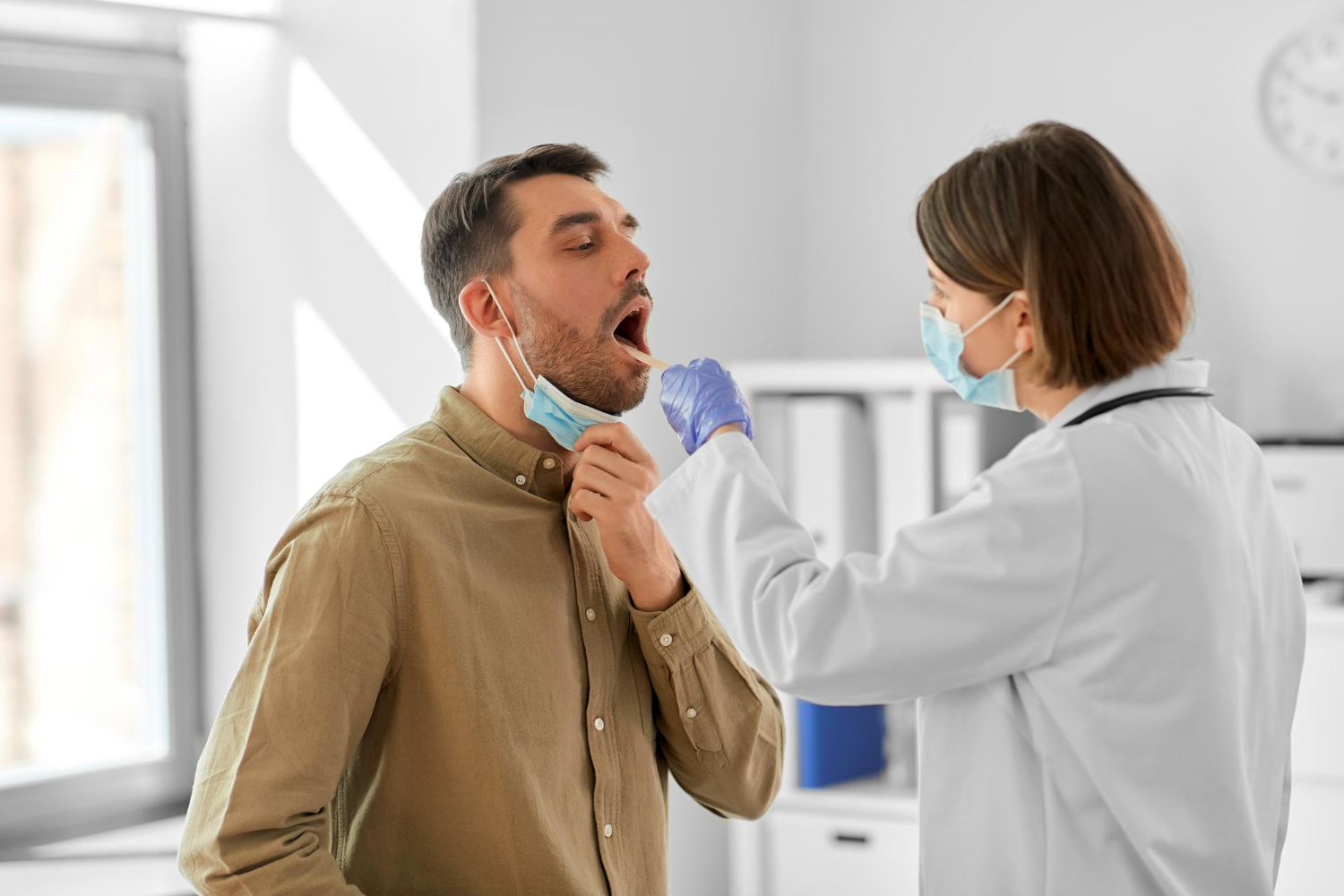
Have you ever walked into a musty room and instantly felt your throat tighten or scratch? You’re not alone. Many people worry that exposure to mold can lead to more than just a sore throat—it could potentially result in infections like strep throat. But how much truth is there to that concern?
In this article, we’ll unpack what mold really does to your body, what strep throat is, and whether the two are connected. We’ll also explore warning signs, prevention methods, and what to do if you think mold might be making you sick. Let’s get into the facts.
What Is Mold and Where Is It Found?
Mold is a type of fungus that thrives in moist, warm environments. It spreads by releasing microscopic spores into the air, which can be inhaled unknowingly. These spores often settle and grow in places like bathrooms, basements, kitchens, and poorly ventilated areas.
There are many types of mold, including black mold (Stachybotrys chartarum), which is infamous for its potential health risks. Mold doesn’t just grow on surfaces—it affects the air you breathe, impacting indoor air quality and possibly your health.
What Is Strep Throat?
Strep throat is a contagious bacterial infection caused by group A Streptococcus bacteria. It primarily affects the throat and tonsils and spreads through airborne droplets or direct contact with an infected person.
Common symptoms include:
- Sudden and severe sore throat
- Fever
- Red or swollen tonsils (sometimes with white patches)
- Swollen lymph nodes in the neck
Unlike viral sore throats, strep usually requires antibiotic treatment. It’s particularly common in children but can affect people of all ages.
Can Mold Cause Strep Throat?
The straightforward answer is no—mold does not directly cause strep throat. Strep throat is caused by a bacterial infection, while mold exposure leads to allergic reactions or respiratory irritation, not bacterial infections.
However, there’s more to the story. Mold can irritate the respiratory system and weaken your immune defenses, making it easier for bacteria like Streptococcus to take hold. So while mold doesn’t cause strep, it might create an environment in your body where strep can thrive.
How Mold Affects Your Respiratory System
When you inhale mold spores, they can inflame your nasal passages, throat, and lungs. This often leads to:
- Persistent sore throat
- Sneezing and coughing
- Post-nasal drip
- Itchy or watery eyes
Long-term exposure can even lead to chronic respiratory conditions like sinusitis or asthma. While these symptoms mimic strep throat, they’re not bacterial and won’t respond to antibiotics. But the irritation can leave you more vulnerable to actual infections.
Mold-Related Sore Throat vs. Strep Throat
Understanding the difference can help you seek the right treatment and avoid unnecessary antibiotics.
Mold-Related Sore Throat:
- Gradual onset
- No fever
- Worsens with exposure, improves when away
- Often accompanied by sneezing or itchy eyes
Strep Throat:
- Sudden, sharp pain
- High fever
- Swollen, red tonsils with white patches
- Requires antibiotics for treatment
If your sore throat flares up every time you’re home, mold might be the cause.
Can Mold Make You More Vulnerable to Strep Throat?
While mold doesn’t cause strep directly, it can lower your body’s ability to fight off infections. Constant irritation from mold weakens your throat’s protective lining, making it easier for bacteria like Streptococcus to invade.
Additionally, environments that support mold growth—like damp basements or bathrooms—can also harbor other harmful microbes, including bacteria. So living in moldy conditions could increase your overall risk of infections.
Who’s Most at Risk?
Certain groups are especially vulnerable to health problems related to mold and potential secondary infections like strep throat:
- Children, especially in moldy schools or homes
- Asthma and allergy sufferers
- Elderly individuals with weakened immune systems
- People with chronic illnesses
If you fall into one of these categories, mold exposure could be more than a minor inconvenience.
Signs Mold Might Be Affecting Your Health
Here are some signs that mold could be impacting you:
- Persistent sore throat that improves when you leave the house
- Coughing, sneezing, or post-nasal drip
- Nasal congestion or sinus pressure
- Recurring respiratory infections
If your symptoms follow a pattern and you suspect mold, consider having your home inspected or tested.
How to Prevent Mold Growth in Your Home
Controlling mold is key to protecting your health. Here are some practical tips:
- Keep humidity below 50% using dehumidifiers
- Fix leaks in plumbing or roofing promptly
- Ventilate damp areas like bathrooms and kitchens
- Use mold-killing cleaners such as vinegar or hydrogen peroxide
- Clean air filters regularly and ensure proper airflow
Taking these steps reduces your risk of both mold-related irritation and secondary infections.
What to Do If You Suspect Mold Exposure or Recurrent Sore Throats
If you’re constantly dealing with sore throats and think mold might be the culprit:
- See an ENT or allergist for proper diagnosis
- Get tested for strep throat if symptoms are severe
- Have your home inspected by mold professionals
- Address both the environment and your symptoms to break the cycle
Combining medical treatment with environmental control gives you the best chance at long-term relief.
When to See a Doctor
Seek medical attention if you notice any of the following red flags:
- High fever or chills
- Difficulty swallowing
- White patches on tonsils
- Symptoms lasting longer than 7–10 days
A doctor can determine whether your sore throat is due to mold exposure, strep throat, or another condition.
Conclusion
So, can mold cause strep throat? The bottom line is no, but it can create conditions that make you more vulnerable to it. Mold irritates and weakens your respiratory system, potentially allowing bacterial infections to take hold.
If you’re frequently sick, it might not just be bad luck—it could be your environment. By addressing mold exposure and seeking appropriate medical care, you can protect both your throat and your overall well-being.
FAQs
Can breathing in mold spores cause a sore throat?
Yes, mold spores can irritate your throat and mimic cold or allergy symptoms, but it’s not the same as strep throat.
Can black mold cause strep throat?
No, black mold doesn’t cause strep throat. However, it can suppress your immune response, increasing your risk of infection.
Is it possible to have both mold exposure and strep throat at the same time?
Yes. If mold weakens your immune system, you may be more likely to develop strep or other infections.
How do I know if my sore throat is from mold or something else?
If symptoms improve when you leave the moldy area, mold may be the cause. For severe symptoms, get tested for strep.
What kind of doctor should I see for mold exposure?
Start with an allergist or an ENT (ear, nose, and throat) specialist for proper evaluation and testing.