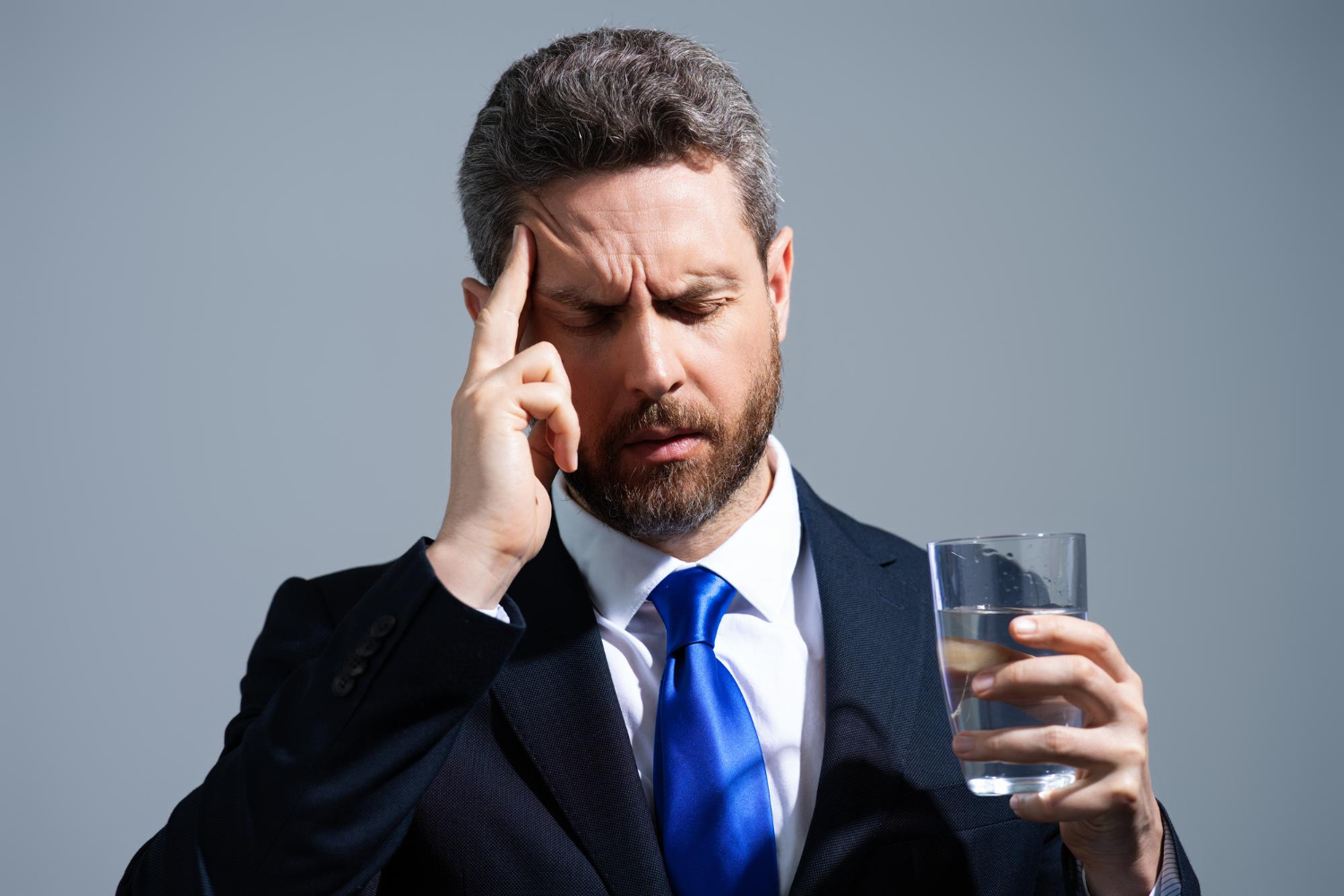
Using a CPAP machine is meant to improve your sleep and energy levels—but what if it’s giving you headaches instead? If you’ve begun CPAP therapy for sleep apnea and find yourself waking up with a dull or throbbing pain, you’re not alone.
Headaches are an unexpected but common complaint among new users. Understanding whether your CPAP setup is contributing to this issue is the first step toward resolving it. This article breaks down why CPAP may cause headaches, what symptoms to watch for, and how to fix the problem so you can sleep (and wake) comfortably.
What Is a CPAP Machine and How Does It Work?
CPAP stands for Continuous Positive Airway Pressure. The machine delivers a steady stream of air through a hose and mask, keeping the airway open during sleep. It’s commonly prescribed for obstructive sleep apnea (OSA), where breathing repeatedly stops due to throat muscle relaxation.
There are several types of CPAP masks, including nasal masks, full-face masks, and nasal pillow systems. While effective, each type can cause different forms of facial pressure, which may contribute to headache symptoms if not properly fitted.
Can CPAP Cause Headaches?
Yes, CPAP therapy can cause headaches for some users. While CPAP machines are designed to improve sleep by keeping your airway open, several factors related to how the device works or fits may lead to headaches.
The most common causes include air pressure settings, sinus pressure, and mask discomfort. Though not everyone experiences this side effect, recognizing the early signs can help you take corrective steps and continue CPAP use comfortably.
How CPAP Can Cause Headaches
Although CPAP therapy is life-changing for many, some users experience unwanted side effects. Let’s look at how CPAP can trigger headaches and what causes them.
Air Pressure Settings
If your CPAP pressure is set too high or too low, it may cause sinus irritation or lead to oxygen imbalances. This can create tension or sinus-type headaches, particularly in the morning.
An improperly adjusted machine can make breathing feel uncomfortable, affecting your quality of sleep and leading to head discomfort.
Sinus Congestion or Pressure
The airflow from CPAP can dry out or irritate the nasal passages, resulting in sinus pressure. When sinuses become inflamed or blocked, the pressure can manifest as a headache.
Those with chronic sinus problems may be more vulnerable to CPAP-induced sinus discomfort.
Mask Fit and Strap Tightness
If your mask is too tight, it may create pressure points on your face or scalp. Tension headaches can result from continuous nighttime strain, especially around the forehead or temples.
Proper strap adjustment is critical to avoid excess pressure that leads to discomfort.
Air Leaks
A poorly fitted mask may leak air toward your eyes or cheeks, causing irritation or tension that spreads to the head. These small but constant leaks can disrupt sleep and lead to morning headaches.
Additionally, leaks may reduce CPAP effectiveness, contributing to lingering sleep issues.
TMJ and Jaw Tension
Some full-face masks press against the jaw, which can aggravate TMJ (temporomandibular joint) issues. Jaw stress often radiates into the head, causing pain and tension that mimics a headache.
If you’re already prone to jaw clenching or TMJ, the mask could be intensifying your discomfort.
Dehydration or Dry Mouth
CPAP therapy, especially without humidification, can lead to dry mouth and nasal passages. Dehydration is a known headache trigger. If you’re waking up parched and in pain, your machine setup may need adjustment.
Hydration and the use of a heated humidifier can significantly help reduce this issue.
Poor Sleep Quality
Even with CPAP, poor sleep may continue due to discomfort, noise, or mask leakage. If your brain isn’t fully resting, you may wake up groggy and with a headache.
Sleep fragmentation itself is a known cause of morning head pain.
Signs Your CPAP Machine Might Be Causing Headaches
It can be tricky to pinpoint CPAP as the exact cause of your headaches. However, certain patterns can offer clues:
- Headaches occur mostly in the morning
- Pain is located near the forehead, eyes, or temples
- Symptoms improve after removing the CPAP mask
- Accompanied by dry nose, sinus congestion, or jaw tension
- Mask pressure points or strap marks visible after waking
If you recognize these signs, your CPAP setup may need a second look.
How to Prevent or Reduce CPAP-Related Headaches
Fortunately, most CPAP-related headaches can be resolved with simple adjustments. Here are proven strategies to prevent them:
- Check your air pressure settings with your doctor or sleep technician
- Use a heated humidifier to prevent nasal dryness and congestion
- Adjust your mask fit to eliminate pressure spots and air leaks
- Try different mask types to find a model that suits your face and comfort level
- Clean equipment regularly to avoid sinus infections
- Use nasal sprays or rinses before bed to keep airways clear
- Drink plenty of water throughout the day to stay hydrated
Small changes in equipment or habits can go a long way in improving your sleep experience.
When to See a Doctor or Sleep Specialist
Not all headaches are caused by CPAP, and some could signal more serious health issues. Consult your doctor if:
- Headaches become severe or frequent
- You experience vision changes or facial numbness
- CPAP therapy seems ineffective despite regular use
- Adjustments don’t relieve symptoms after a few weeks
Your sleep doctor can review your data, reevaluate settings, or refer you to other specialists if needed.
Alternative Options and Adjustments
If headaches persist, alternatives to traditional CPAP setups may offer relief.
Consider the Following:
- BiPAP or APAP machines that auto-adjust air pressure based on your needs
- Custom-fit masks to eliminate pressure points and minimize leaks
- Mouthguards for those with TMJ issues
- CPAP mask liners to reduce skin friction and improve comfort
- Changing sleeping positions to reduce sinus and jaw pressure
Working closely with a sleep specialist ensures these alternatives are safe and effective for your condition.
Conclusion
If you’re waking up with headaches after starting CPAP therapy, don’t ignore the signs. While the device plays a vital role in treating sleep apnea, issues like pressure settings, sinus dryness, and mask discomfort can lead to morning headaches.
The good news is that these problems are usually fixable. Whether through equipment changes, improved hydration, or medical consultation, you can continue CPAP therapy without sacrificing your comfort.
FAQs
Are headaches a common side effect of CPAP?
They are not the most common side effect, but they do occur—especially early in treatment or if settings are off.
How can I tell if CPAP is causing my headaches?
Morning headaches that fade after mask removal are often CPAP-related. Check for other signs like dryness or facial pressure.
Will switching masks help reduce CPAP headaches?
Yes. A better-fitting mask can eliminate pressure points and air leaks that contribute to headaches.
Can I change the air pressure on my CPAP machine myself?
No. Always consult your sleep specialist before adjusting pressure settings.
Are CPAP-induced headaches permanent?
Usually not. Most can be resolved with minor adjustments or support from a sleep professional.