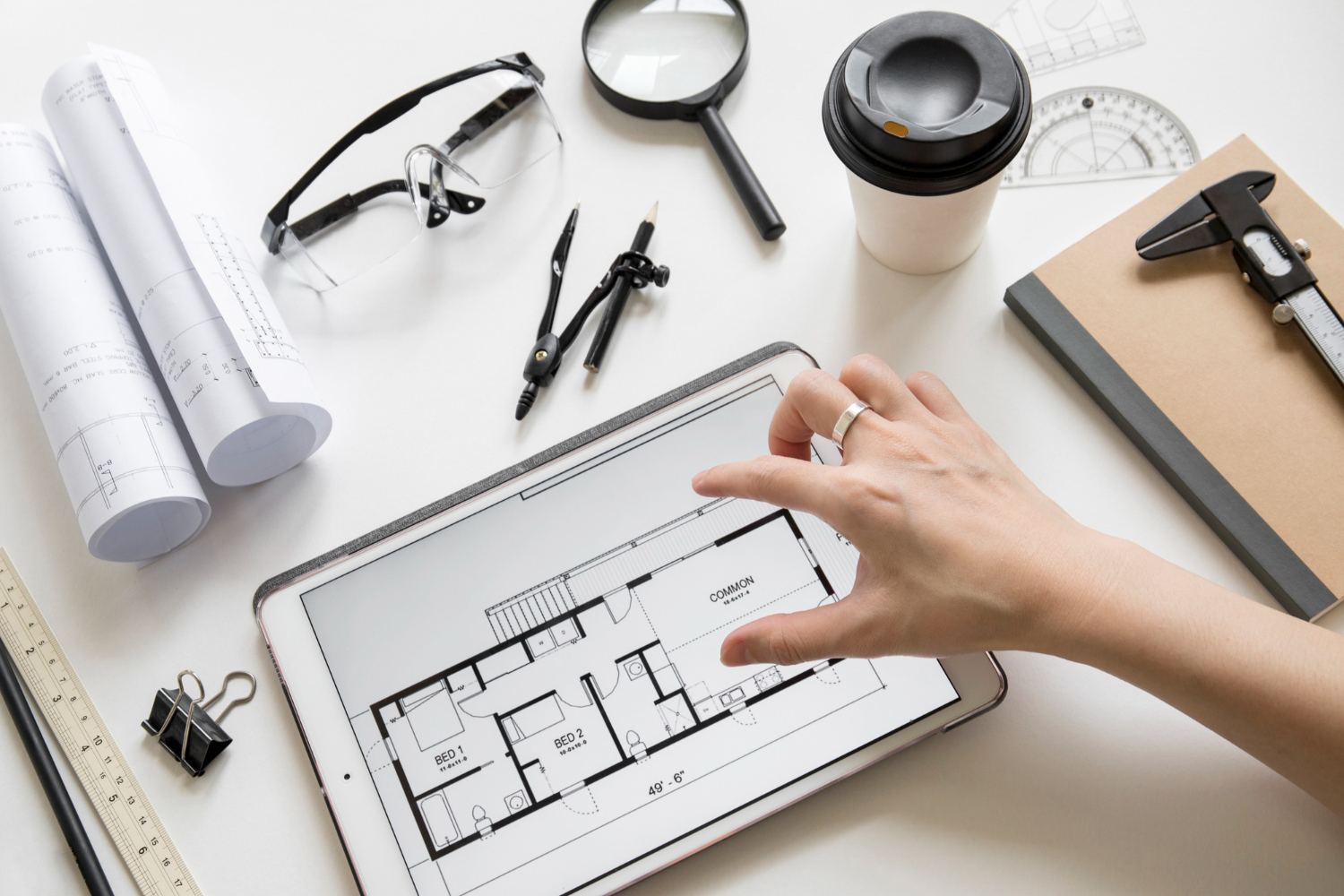
Here’s something surprising: A 2024 report from Houzz found that over 50% of homeowners prioritized technology integration in their remodeling projects, marking the first time that tech upgrades have surpassed traditional aesthetic choices like flooring and paint.
Welcome to the future of home improvement, where smart systems, sustainability, and digital connectivity are just as important as countertops and cabinetry.
The Rise of the Smart Home
Today’s homes are smarter than ever. From motion-sensing lights to voice-controlled thermostats, modern households are embracing technology not just for convenience, but for energy savings, security, and lifestyle efficiency.
Homeowners are investing in:
- Smart thermostats that learn your habits
- Security systems with facial recognition
- Lighting that adjusts to your schedule
- Appliances that notify you before they break
These features were once considered luxuries but are now quickly becoming standard. In resale markets, smart features can even boost property value, particularly in tech-savvy urban areas.
Another key reason why smart homes are on the rise is energy efficiency. Connected systems can optimize power usage, track consumption, and reduce utility bills. That means your tech-savvy renovation doesn’t just look smart; it is smart, both financially and environmentally.
Connectivity Is the Hidden Foundation
While visible upgrades like kitchen islands or spa bathrooms grab attention, there’s an invisible improvement that’s just as crucial: your internet connection.
With more devices connected to your network than ever before—smart TVs, cameras, voice assistants, and appliances—a high-speed, reliable internet connection is the backbone of a truly modern home. Without it, all those smart features lose their shine.
For residents of the Twin Cities, choosing one of the trusted fiber internet providers in Minneapolis, MN can ensure their smart home ecosystem runs smoothly and without frustrating lag. Fiber internet offers the bandwidth and low latency needed to support multiple devices streaming, syncing, and updating simultaneously.
And as more home systems rely on the cloud, having fiber-level performance is becoming less of a luxury and more of a necessity, especially in neighborhoods seeing rapid tech adoption.
Work-from-Home Friendly Renovations
Remote work is no longer a temporary fix, it’s a permanent feature in many households. Homeowners are now carving out dedicated office spaces with ergonomic furniture, acoustic insulation, and strategic lighting.
But beyond design, internet infrastructure plays a starring role. A visually perfect office setup isn’t useful if your Zoom calls constantly drop. Many renovation plans now include hardwiring ethernet connections or upgrading routers to support heavy daily use.
Reliable internet can make or break your ability to work effectively from home, and it’s increasingly influencing real estate decisions as buyers look for “remote-work ready” homes.
Entertainment Spaces Reimagined
Home theaters, gaming rooms, and outdoor patios equipped with smart lighting and sound systems are trending in 2025. Streaming, online gaming, and virtual reality require serious internet horsepower.
Home improvement in 2025 is about more than materials—it’s about how those materials integrate with technology, lifestyle, and long-term functionality. Whether you’re renovating for resale or reimagining your forever home, integrating smart tech and strong digital infrastructure is key.