Who Is Anthony Salerno?
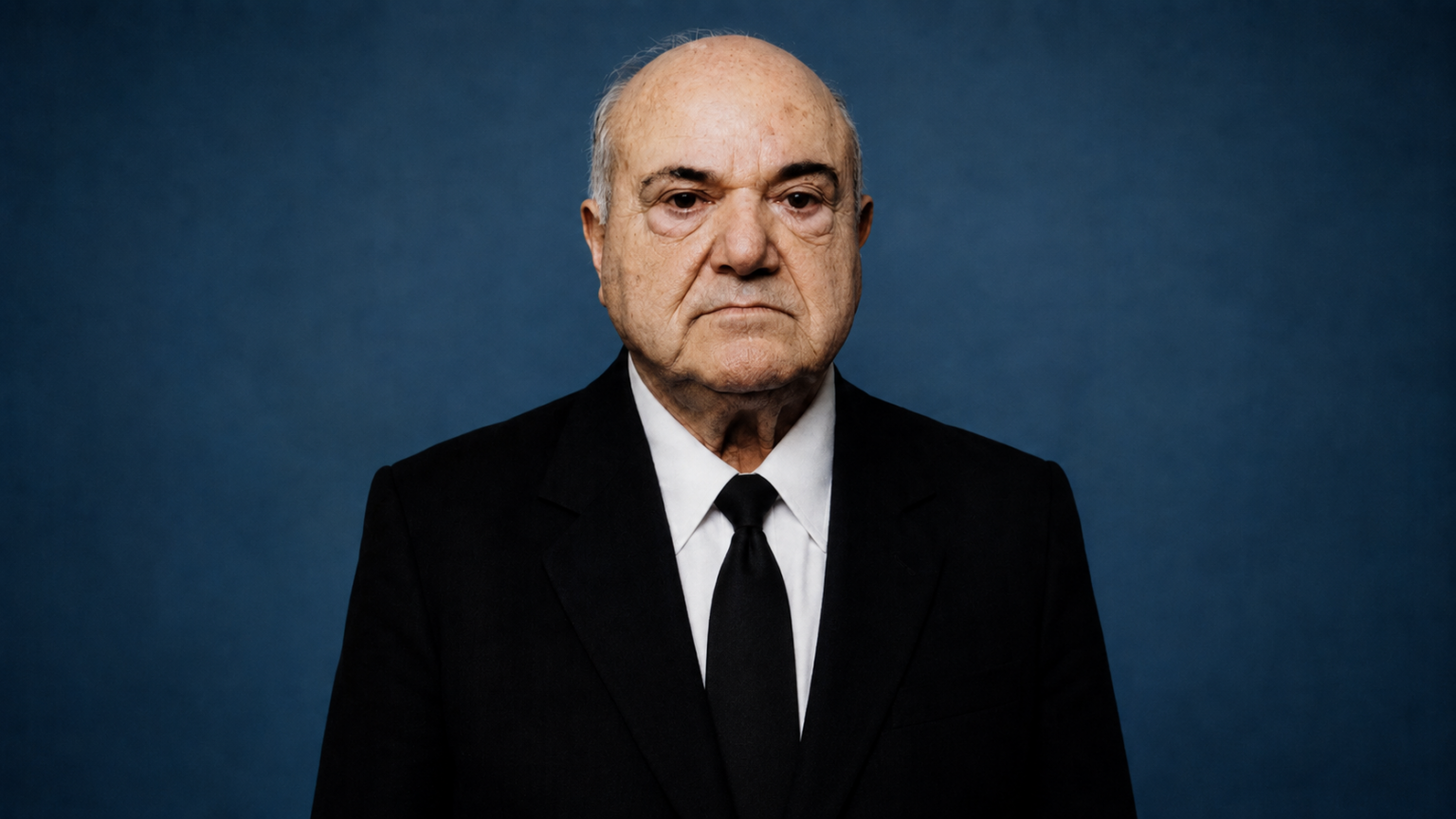
Anthony Salerno (August 15, 1911 – July 27, 1992), known to nearly everyone as “Fat Tony,” was the front boss of New York’s Genovese crime family and one of the most powerful figures in American organized crime during the 1980s. A cigar-chewing, fedora-wearing product of East Harlem, he ran the city’s largest numbers-racket operation for decades before a landmark 1986 conviction sent him to federal prison for the rest of his life.
Two things about him deserve a quick, upfront correction — because the search results are a mess.
First, the disambiguation. If you typed “Anthony Salerno” looking for the voice actor, the Ameriprise financial advisor, an attorney, or a physician (MD) by that name, none of them are this man. Anthony “Fat Tony” Salerno has been dead since 1992. The living professionals who share the name are unrelated to the mobster — a common mix-up that autocomplete fuels and that no other page bothers to clear up. We do it here so you can stop second-guessing which “Anthony Salerno” you’ve landed on.
Second, the nickname. “Fat Tony” was literal — Salerno was heavyset — but the moniker stuck because it fit the image he cultivated: a blunt, approachable, cigar-in-mouth boss who looked more like a neighborhood fixture than a billionaire racketeer.
Early Life and Harlem Connection
Salerno was born and raised in East Harlem, the son of Sicilian immigrants — his father Alfio Salerno and mother Maria Carroccio. This is the part of his story most competing pages skip, and it’s the part that matters most to understanding him. He wasn’t a transplant who set up shop in the neighborhood; he was of it.
As a young man he came up through the street rackets around Lenox Avenue and the blocks near 116th Street, cutting his teeth in the numbers game — the informal, illegal lottery that ran through Harlem tenements and storefronts for generations. This was the world of the so-called 116th Street Crew, and it shaped everything that followed. If you want the wider neighborhood backdrop, our history of New York’s 116th Street and its notable people maps the streets Salerno worked.
He rose under Michael “Trigger Mike” Coppola and steadily consolidated control of Harlem’s gambling operations. What made Salerno unusual was his loyalty to place. Long after most senior mob figures had decamped to Little Italy, the outer boroughs, or the suburbs, Salerno kept his base in East Harlem — most famously at the Palma Boys Social Club on East 115th Street, where FBI surveillance later caught him talking business. He was, in the truest sense, a Harlem boss who never left Harlem.
Career and Major Milestones
By the 1960s, Salerno had built what investigators described as the largest numbers-racket operation in New York, pulling in enormous sums from Harlem betting alone and reinvesting through loan-sharking and other rackets.
His formal ascent came in 1981, when he became the front boss of the Genovese family, publicly succeeding Frank “Funzi” Tieri. “Front boss” is the crucial term: Salerno was the visible face of leadership, deliberately positioned so that the family’s actual boss, Vincent “the Chin” Gigante, could operate in the shadows. Law enforcement spent years believing Salerno was the top man — which was exactly the point.
The Mafia Commission Trial
That visibility caught up with him. In the 1985–86 Mafia Commission Trial, prosecutors — led by a young U.S. Attorney named Rudolph Giuliani — used the RICO statute to charge the heads of New York’s Five Families as a single criminal enterprise. In 1986, Salerno was convicted and sentenced to 100 years in prison. He was 75 years old; the sentence was, effectively, for life.
United States v. Salerno (1987)
Here is the legacy almost no biography connects to the man. While awaiting trial, Salerno challenged being held without bail. The dispute reached the Supreme Court as United States v. Salerno (1987), and the Court upheld the Bail Reform Act of 1984 — ruling that the government may detain a defendant before trial on grounds of dangerousness to the community, not just flight risk. That decision reshaped federal pretrial detention law nationwide and is still cited in courtrooms today. A Harlem numbers boss’s bail fight quietly became one of the most consequential criminal-procedure precedents of the century.
The net-worth question
You’ll see wildly different figures for Anthony Salerno’s net worth — from a headline-grabbing $10 billion to roughly $600 million. Both should be read skeptically. The larger number traces to a 1986 Fortune profile that ranked him among America’s wealthiest by estimating the total revenue flowing through his rackets, not his personal fortune. Mob wealth estimates were educated guesses built on wiretaps and informants, not audited balance sheets. The truthful answer: his actual personal net worth was never verified, the eye-popping billions figure conflates enterprise cash-flow with personal assets, and the lower estimates are guesses too. Anyone quoting a precise number is selling certainty that doesn’t exist.
Personal Life and Family
Salerno’s personal life was guarded, and the public record is genuinely thin — which is worth stating plainly rather than inventing detail, as some fan wikis do. He is generally reported to have been married, but reliable, well-documented information about a wife and about Anthony Salerno’s children is sparse. Searches for “Anthony Salerno Jr.” and “family tree” turn up far more speculation than sourced fact. Where the records are limited, we say so.
What’s better attested is his professional temperament. Even rivals described Salerno as an accessible, pragmatic deal-broker — a boss other mobsters could sit down with. He mediated disputes, kept lines open across the families, and traded on being reachable. That approachability, paired with a fiercely private home life, is the real texture of the man behind the cigar.
Legacy and Cultural Impact
Salerno died on July 27, 1992, at the Medical Center for Federal Prisoners in Springfield, Missouri, after suffering a stroke. He never left custody.
His afterlife in popular culture has been busy, and it’s where a lot of searchers first meet him:
- The Irishman (2019): Anthony Salerno is played by Domenick Lombardozzi in Martin Scorsese’s film. The movie captures his stature and Commission-era clout but, like most dramatizations, compresses and fictionalizes the details — this is the “Tony Salerno, Irishman” character people ask about.
- Kill the Irishman (2011): Paul Sorvino portrayed him earlier, in the Danny Greene story out of Cleveland.
- The Simpsons: Salerno is widely cited as a visual inspiration for the cartoon mob boss “Fat Tony” (Marion D’Amico) — the cigar, the girth, the deadpan menace.
More than any screen cameo, though, his lasting footprint is twofold: the United States v. Salerno precedent that still governs pretrial detention, and his place in the organized-crime history of East Harlem. He belongs to the same neighborhood story we trace through figures across our Harlem coverage — from the biography of Billy Dee Williams and his Harlem roots to the landmark history of the Audubon Ballroom. Salerno is the criminal-history thread in that broader tapestry.
Strip away the movies and the myth, and what remains is consistent: a Sicilian kid from 116th Street who ran Harlem’s numbers, fronted a national crime family, and — almost accidentally — left his name on a Supreme Court decision that outlived him.
FAQs
Is Anthony Salerno the same person as the voice actor or the Ameriprise financial advisor?
No. The Anthony ‘Fat Tony’ Salerno people research online was the Genovese mob boss who died in 1992. The living voice actor, attorneys, physicians (MD), and Ameriprise financial advisors named Anthony Salerno are unrelated individuals who simply share a common Italian-American name.
How did Anthony Salerno die?
He died on July 27, 1992, of a stroke while incarcerated at the Medical Center for Federal Prisoners in Springfield, Missouri. He was 80 and was serving what amounted to a life sentence after his 1986 conviction.
What was Anthony Salerno’s real net worth?
It was never verified. A famous $10 billion figure from a 1986 Fortune article estimated the revenue running through his rackets, not his personal fortune, while other sources cite around $600 million. Both are guesses drawn from wiretaps and informants rather than any audited record.
Did Anthony Salerno have a wife and children?
The record is genuinely limited. He is generally reported to have been married, but reliable, well-documented information about a wife or children is sparse, and most ‘Anthony Salerno family tree’ or ‘Jr.’ claims online are unsourced speculation.
Who played Fat Tony Salerno in The Irishman?
Domenick Lombardozzi played Anthony ‘Fat Tony’ Salerno in Martin Scorsese’s The Irishman (2019). Paul Sorvino had earlier portrayed him in Kill the Irishman (2011).
What was United States v. Salerno about, and how much prison time did he serve?
United States v. Salerno (1987) was a Supreme Court case from his own bail fight; it upheld holding defendants without bail based on dangerousness, reshaping federal pretrial detention law. He was convicted in the 1986 Mafia Commission Trial and sentenced to 100 years, serving until his death in 1992.