Businesses today have more data than ever, but that does not always mean they have better answers. For many founders, CFOs, accounting teams, and operators, the real problem is not a lack of numbers. The problem is that those numbers are scattered across QuickBooks, Excel files, spreadsheets, CRM tools, internal reports, and messy exports that take hours to clean before anyone can make sense of them.
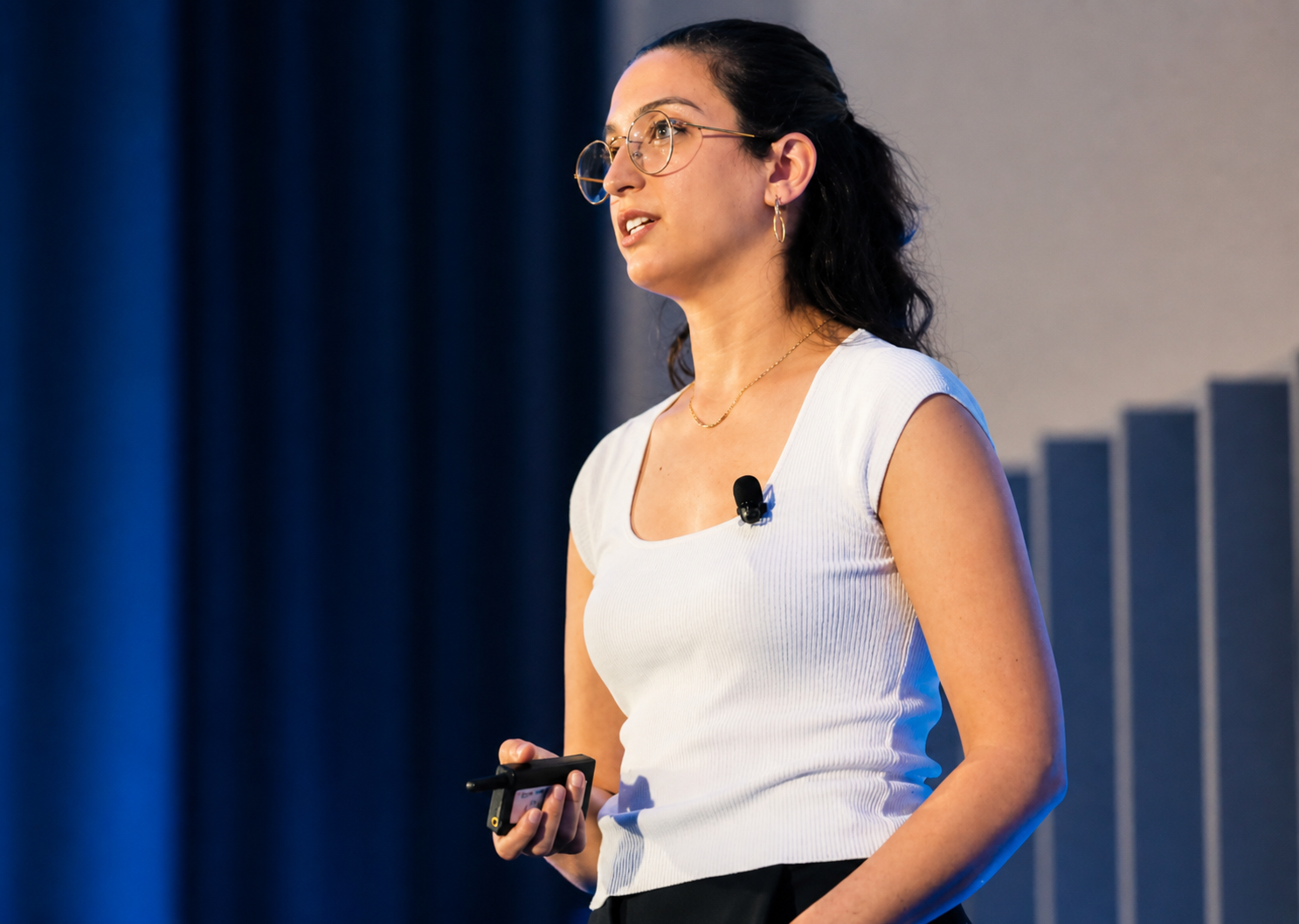
That is the gap Daphne Pariser is trying to close with HeronAI. As the CEO and co-founder of HeronAI, she is building a platform that helps businesses turn financial and operational data into dashboards, clear answers, and decision-ready insights. Instead of waiting for manual reports or digging through spreadsheet tabs, teams can move faster from raw data to practical business decisions.
The idea behind HeronAI is simple but powerful. Business leaders should not have to guess what is happening inside their company. They should be able to understand revenue, expenses, margins, customer performance, and cash flow without spending days pulling reports together. Daphne Pariser’s work with HeronAI sits at the center of that need, giving growing companies a more accessible way to use data in everyday decision-making.
Who is Daphne Pariser
Daphne Pariser is the CEO and co-founder of HeronAI, an AI-powered analytics company focused on financial decision intelligence. Her work is tied to one of the most common problems inside modern businesses: teams often have the information they need, but they do not have a fast and simple way to use it.
HeronAI reflects a practical founder mindset. It is not built around AI as a buzzword. It is built around a real business pain point that many companies face every month. Financial data lives in too many places. Reports take too long to prepare. Dashboards are often outdated by the time leaders look at them. Operators need answers faster than traditional reporting systems can provide.
Daphne Pariser’s achievement comes from turning that everyday frustration into a focused company. By building HeronAI, she is helping businesses make financial analytics more useful, more approachable, and less dependent on manual spreadsheet work.
The business problem HeronAI is solving
Most companies already collect useful data. Sales teams track customers. Accounting teams manage invoices and expenses. Finance teams build models. Founders review revenue, margins, and budgets. The issue is that all of this information often sits in separate systems.
A company might use QuickBooks for accounting, Excel for budget planning, Google Sheets for ad hoc reports, HubSpot for sales data, and CSV files for extra exports. Each tool has value on its own, but the bigger picture becomes hard to see when everything is disconnected.
This creates several problems for business leaders.
Reports become slow because someone has to gather the data manually. Financial analysis becomes fragile because one broken spreadsheet formula can change the whole picture. Meetings become less useful because teams debate which numbers are correct. Decisions get delayed because leaders do not have a clear view of what is happening in the business right now.
HeronAI is built for this exact situation. It helps companies turn scattered data into something easier to understand. That makes it especially useful for small and mid-sized businesses, accounting firms, finance teams, and operators that need better visibility but do not always have large analytics departments.
How HeronAI turns business data into faster financial decisions
HeronAI helps businesses connect their data, organize it, and turn it into dashboards and insights that teams can actually use. The platform is designed to reduce the time spent on manual reporting and give leaders a clearer view of their business performance.
For a busy company, that kind of speed matters. A founder may need to know why revenue changed this month. A CFO may need to understand which expenses are rising fastest. An accounting firm may need to prepare client-ready reports without rebuilding the same spreadsheet over and over again. An operator may need to see which customers, services, or business lines are driving the most value.
HeronAI’s role is to make those answers easier to reach.
Connecting scattered financial data
One of HeronAI’s strongest value points is its focus on fragmented business data. Many businesses rely on QuickBooks and spreadsheets as the foundation of their financial work. These tools are familiar and useful, but they can become difficult to manage as a company grows.
When a team has to export files, copy numbers, clean data, and rebuild reports every week or month, valuable time gets lost. Even worse, business leaders may not get answers until the moment has already passed.
HeronAI helps by connecting important data sources and turning that information into a more unified view. This can make reporting less dependent on manual work and help teams understand the business without constantly switching between tools.
Turning raw numbers into dashboards
Dashboards are useful only when they answer real questions. A beautiful chart does not help much if the team still does not know what action to take. HeronAI’s value is tied to making dashboards more connected to decision-making.
A business dashboard can help leaders answer questions like:
- Why did revenue increase or decrease this month
- Which customers are producing the strongest margins
- Where are costs rising faster than expected
- Which services or products are most profitable
- How is cash flow changing over time
- What part of the business needs attention first
These are not abstract data questions. They affect hiring, pricing, sales strategy, budgeting, and growth planning. By helping teams see these patterns faster, HeronAI supports better financial decisions.
Making analytics easier for non-technical teams
Not every company has a full data team. Many founders and operators are making important decisions with limited time, limited staff, and tools that were never designed to give instant strategic clarity.
This is where Daphne Pariser’s approach with HeronAI becomes especially relevant. The platform is designed for people who need answers from business data but do not want to spend their day building models, cleaning exports, or waiting on analysts.
That makes HeronAI part of a larger shift in business software. AI is becoming more useful when it works quietly inside real workflows. For finance and operations teams, the most valuable AI is not always the flashiest. It is the AI that saves time, reduces manual work, and helps people make better decisions with confidence.
Why Daphne Pariser’s approach stands out
Daphne Pariser’s work with HeronAI stands out because it focuses on a problem that is both common and expensive. Manual reporting does not always look like a major issue from the outside, but inside a growing company, it can slow down almost every important decision.
When teams spend hours gathering data, they have less time to interpret it. When leaders wait days for reports, they miss chances to respond quickly. When spreadsheets become too complicated, trust in the numbers can break down.
HeronAI addresses this by making financial analytics feel more immediate and usable. The company is not simply offering another dashboard. It is working toward a simpler way for teams to ask questions, understand performance, and act on the answers.
That practical focus is a big part of Daphne Pariser’s founder story. She is building HeronAI around real business behavior, not just technology hype. The platform speaks to companies that want better answers but do not want another complicated tool that requires months of setup.
HeronAI and the future of financial decision intelligence
Financial decision intelligence is becoming more important because companies need to move quickly without losing control of their numbers. In a fast-changing market, waiting too long for accurate reporting can affect cash flow, hiring plans, customer strategy, and profitability.
HeronAI fits into this shift by helping businesses move closer to real-time financial visibility. Instead of treating reporting as a slow back-office task, the platform makes it part of everyday decision-making.
For accounting firms, this can mean faster client reporting and less repetitive spreadsheet work. For operators, it can mean clearer visibility into performance. For founders, it can mean fewer blind spots when making growth decisions.
Daphne Pariser is positioning HeronAI in a space where AI can have a direct business impact. The goal is not just to automate tasks. The goal is to help leaders understand what is happening in their company while there is still time to act.
Why HeronAI matters for accounting and finance teams
Accounting and finance teams are often under pressure to deliver reports quickly, accurately, and in a format that business leaders can understand. That pressure grows when data comes from multiple sources and each client or department needs a slightly different view.
HeronAI can help reduce that burden by making reporting workflows faster and more repeatable. Instead of rebuilding financial views manually, teams can use automated dashboards and connected data to prepare insights more efficiently.
This matters because finance work is no longer only about looking backward. Modern companies expect finance teams to explain what changed, why it changed, and what should happen next. That requires clearer data, faster analysis, and tools that support decision-making instead of adding more manual steps.
HeronAI gives these teams a way to spend less time assembling numbers and more time interpreting them.
HeronAI’s growth and recognition
HeronAI has also gained attention through startup programs and public recognition. The company won $1 million through the 2024 43North Finals, a milestone that helped support its growth and expansion. After that win, Daphne Pariser relocated to Buffalo as HeronAI continued building its team and presence.
This recognition is important because it shows that HeronAI is not only solving a familiar business problem, but also earning attention from the startup and investor community. For an early-stage company, that kind of momentum can help attract talent, customers, and new opportunities.
HeronAI has also appeared in conversations around AI, analytics, and better business reporting. The company’s message is clear: business data should not stay trapped in spreadsheets and disconnected systems. It should help teams make decisions faster.
For Daphne Pariser, that growth reflects both vision and execution. She identified a painful reporting problem, built a company around it, and pushed HeronAI into a market where businesses are actively looking for more practical AI tools.
What businesses can learn from Daphne Pariser and HeronAI
The story of Daphne Pariser and HeronAI offers useful lessons for founders, operators, and finance leaders.
The first lesson is that data only matters when people can use it. Many companies already have enough information to make better decisions, but the data is often too messy, scattered, or slow to access. HeronAI shows why usability matters as much as raw data collection.
The second lesson is that speed changes the value of reporting. A report delivered three weeks late may explain what happened, but it may not help leaders respond in time. Faster dashboards and automated insights can make financial data more useful in daily operations.
The third lesson is that AI works best when it solves a clear problem. HeronAI is not trying to be AI for everything. It is focused on financial analytics, reporting, dashboards, and business decision-making. That focus makes the product easier to understand and the value easier to see.
The fourth lesson is that small and mid-sized companies need smarter tools too. Advanced analytics should not only be available to large companies with big data teams. Businesses of all sizes need clear answers about revenue, margins, costs, and cash flow.
Why HeronAI is important for modern business leaders
Modern business leaders are expected to make decisions quickly, but quick decisions are risky when the numbers are unclear. HeronAI helps solve that tension by giving teams a faster way to turn business data into useful insight.
For a founder, that might mean understanding which part of the business deserves more investment. For a CFO, it might mean preparing financial updates without spending hours inside spreadsheets. For an accounting firm, it might mean giving clients cleaner reports in less time. For an operator, it might mean spotting performance changes before they become bigger problems.
This is why Daphne Pariser’s work with HeronAI feels timely. Businesses are tired of slow reporting cycles, disconnected tools, and dashboards that do not explain what to do next. They need financial visibility that is practical, reliable, and fast enough to support real decisions.
By building HeronAI, Daphne Pariser is showing how AI can move from a broad technology trend into a useful business tool. HeronAI turns fragmented data into clarity, helps teams save time, and gives leaders a better way to understand what is happening inside their company.