
AI infrastructure is growing at a speed that would have sounded unrealistic just a few years ago. New data centers are being built, existing facilities are being pushed harder, and operators are under pressure to keep everything running without downtime. That sounds like a software story on the surface, but a lot of the pressure shows up in the physical world. Someone still has to inspect equipment, respond to issues, handle routine maintenance, and keep critical systems working in real time.
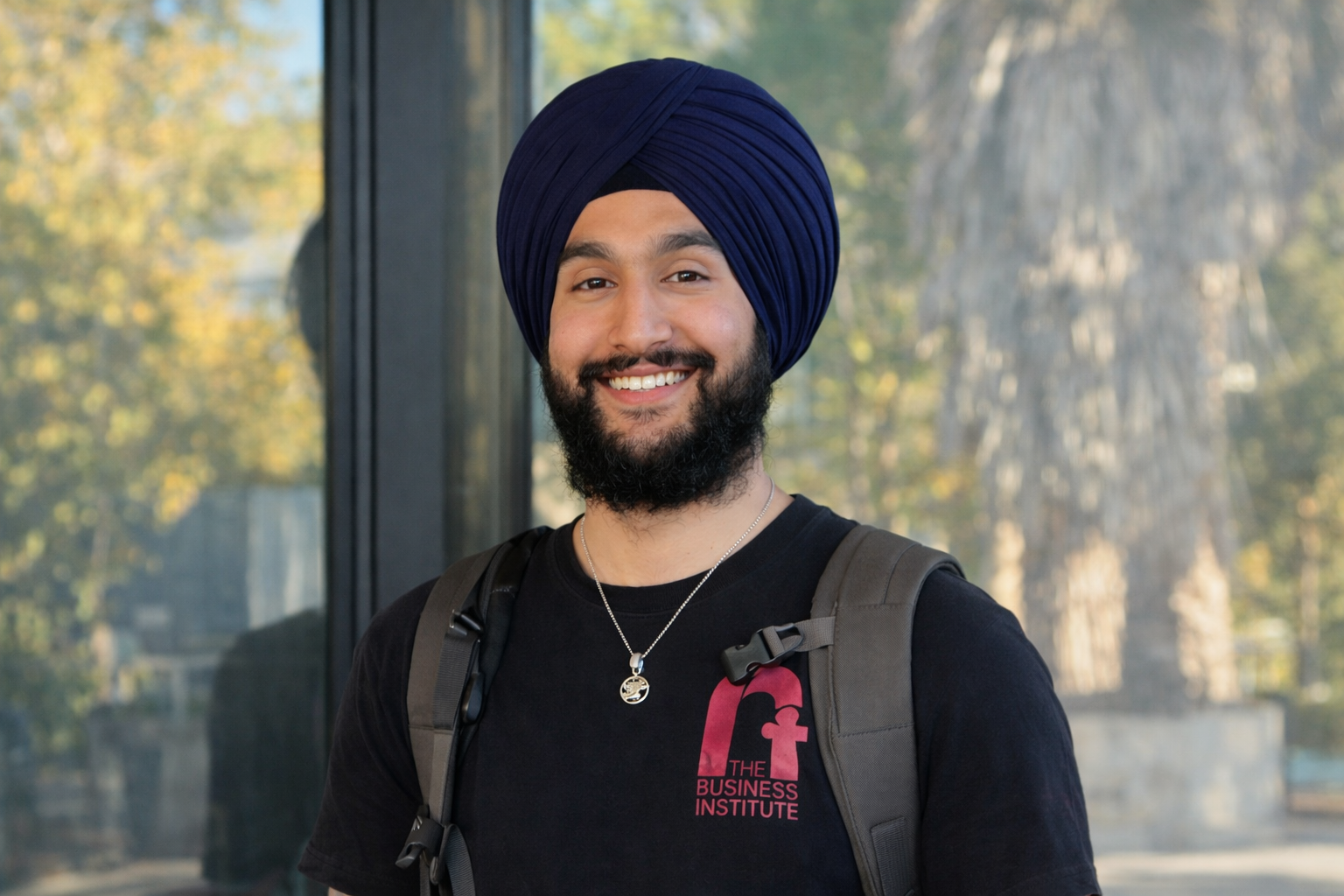
That is the space Hardik Singh stepped into with Boost Robotics.
Instead of building another AI company that lives entirely on screens, Hardik Singh helped build a robotics startup focused on one very practical challenge: making data center inspection and maintenance more efficient, more consistent, and easier to manage at scale. That focus gives Boost Robotics a stronger story than many early-stage startups because it is tied to a real operational problem, not just a trend.
The result is a company that has already earned a meaningful early signal of credibility. Boost Robotics became a Y Combinator backed startup by building around a need that is getting harder to ignore as AI infrastructure expands.
Who Is Hardik Singh and Why His Background Fits This Space
One reason the Boost Robotics story feels credible is that Hardik Singh did not arrive in robotics by accident. His background fits the problem unusually well.
He came through Carnegie Mellon’s robotics world, which is one of the strongest places in the field for people who want to work on real systems rather than just theory. That matters because building robots for data center environments is not a light idea. It is a technical challenge with real constraints. A team working in this area has to think about autonomy, reliability, safety, movement, sensing, and physical interaction all at once.
Hardik Singh’s story also stands out because it combines technical depth with leadership. Public details around his background point to experience leading robotics work before Boost Robotics, which helps explain why this company feels more grounded than a lot of vague hard tech ideas. He was not simply fascinated by robotics in the abstract. He had already spent time working close to the edge where engineering decisions meet product direction and commercial reality.
That combination matters a lot in startups. Plenty of people can build interesting technology. Fewer can connect technical capability to a real market problem in a way that customers actually care about. The early shape of Boost Robotics suggests Hardik Singh understood that difference from the start.
How the Idea for Boost Robotics Took Shape
The Boost Robotics story is also helped by the fact that it was not built around a random founder pairing.
Hardik Singh co-founded the company with Hans Kumar, and the story behind that partnership adds something important. They were not two people who met last minute because a trend looked hot. They had known each other for years, going back to their time at Carnegie Mellon. That kind of long-term trust can make a real difference in hard tech, where product cycles are demanding and the work is rarely simple.
Strong startup stories often begin with the right founder-market fit, but they also need strong founder-founder fit. That seems to be part of what gave Boost Robotics an early edge. When two people have a long shared history, a common technical language, and a clear sense of how they work together, they can move faster on the decisions that actually matter.
The company itself grew from a sharp read on where infrastructure problems were heading. AI demand has pushed data centers into a new phase. More compute means more facilities, more complexity, more heat, more equipment to monitor, and more pressure on uptime. For most people, that shift is discussed in terms of chips, cloud providers, or energy demand. Hardik Singh and the team at Boost Robotics looked at the same shift and saw something more specific.
They saw a physical operations problem.
That is a much stronger startup insight than just saying AI is big. It takes a broad market trend and translates it into a focused use case with real operational value.
The Problem Boost Robotics Decided to Solve
Data centers are critical pieces of digital infrastructure, but they still depend heavily on human labor for inspection, monitoring, and maintenance tasks. Someone has to go on site, check systems, look for issues, investigate alerts, and deal with failures before they turn into bigger problems.
That becomes harder when facilities expand into remote locations or when operators struggle to keep enough qualified people on site. It also becomes harder when small maintenance gaps turn into expensive downtime. A modern data center does not need many failures before the cost becomes serious.
This is where the Boost Robotics angle starts to make sense.
Rather than treating data center operations as a people problem alone, the company treats it as an automation problem. If autonomous systems can inspect infrastructure more often, respond faster, and reduce the time needed to triage issues, then operators gain something that matters more than novelty. They gain reliability.
That is one of the smartest parts of the Boost Robotics story. The company is not trying to force robotics into a weak use case. It is targeting an environment where uptime, speed, repeatability, and remote support all have obvious value.
In other words, this is not robotics for show. It is robotics for infrastructure reliability.
What Boost Robotics Actually Builds
Boost Robotics is focused on autonomous mobile manipulation robots for data center inspection and maintenance. In plain English, that means robots that can move through these environments, inspect systems, and physically interact with infrastructure when needed.
That matters because a lot of automation tools stop at software visibility. They can monitor dashboards, flag alerts, or track metrics, but they cannot walk into a facility, inspect a system from the physical side, or handle remote hands style work.
Boost Robotics is building around that gap.
Its approach sits at the intersection of robotics, teleoperation, infrastructure monitoring, and operational analytics. The big idea is not just to create another robot. The bigger idea is to create a useful robot for one of the most demanding and expensive physical environments in modern tech.
That gives the company a much clearer commercial story. Data center operators do not need a futuristic demo. They need practical tools that help reduce downtime, improve inspection frequency, support maintenance workflows, and make it easier to address failures before they become costly.
From an SEO perspective, this is also what makes the Hardik Singh and Boost Robotics topic interesting. It naturally brings together robotics startup, autonomous systems, data center automation, AI infrastructure, predictive maintenance, remote operations, and digital infrastructure reliability in one story.
Why the Timing Worked in Hardik Singh’s Favor
A founder can be talented and still miss the moment. Timing matters, and in the case of Boost Robotics, timing looks like one of the company’s biggest advantages.
AI infrastructure growth has changed the conversation around data centers. What used to feel like a behind-the-scenes industry now sits much closer to the center of the AI economy. More demand for compute creates more demand for physical infrastructure that can support it. That puts direct pressure on operations, staffing, cooling systems, maintenance routines, and uptime management.
This is exactly the kind of shift that opens space for a new category of robotics company.
Boost Robotics is not trying to convince the market that physical automation might matter someday. It is stepping into a moment when the need already feels real. That gives Hardik Singh and the company a better narrative than many robotics startups that spend too much time explaining why their market should exist.
Here, the market need is easier to understand.
The growth of AI means the demand on data centers keeps rising. As that pressure rises, the value of robotics for inspection, robotic maintenance, remote interventions, and more efficient failure response becomes easier to see.
That is why the company’s positioning works so well. It connects directly to a larger infrastructure wave without becoming vague or overblown.
How Y Combinator Helped Validate Boost Robotics
Getting into Y Combinator did not magically create the company’s value, but it did validate that other experienced people saw something real in the idea.
For a hard tech startup, that kind of validation matters. Software startups can often ship quickly and adjust fast. Robotics companies usually have a tougher road. They need talent, capital, technical credibility, and enough market clarity to convince people the product is solving a serious problem.
That is why Y Combinator backing is such a meaningful achievement for Boost Robotics.
It signals that the company is more than an interesting concept. It signals that the startup has a credible market thesis, a strong founding team, and a problem worth building around. In the early stages, that kind of backing can help with talent, partnerships, investor attention, and customer trust.
For Hardik Singh, this part of the story matters because it turns the article from a simple founder profile into a real startup achievement story. Plenty of people work on robotics. Far fewer build a robotics company that earns support from one of the best-known startup accelerators in the world.
That is the point where the story becomes more than personal ambition. It becomes proof of traction at an important early stage.
The Early Signs That Boost Robotics Is a Startup to Watch
A lot of startup articles overstate success far too early. The better way to look at Boost Robotics is to focus on the quality of the early signals.
The first signal is the clarity of the use case. Boost Robotics is not trying to be everything. It is focused on data center inspection and maintenance, which makes the company easier to understand and easier to remember.
The second signal is founder-market fit. Hardik Singh and Hans Kumar came into the company with a robotics background that fits the technical demands of the problem. That gives the startup more credibility than a team trying to learn the category from scratch.
The third signal is timing. The rise in AI infrastructure demand has made data center operations a much more urgent conversation, and that creates room for companies that can help reduce friction in the physical layer.
The fourth signal is validation. Y Combinator does not remove the hard work ahead, but it does show that Boost Robotics has already crossed an important credibility threshold.
Taken together, those signals make the company worth watching even at an early stage. The story works because it is specific. It is tied to a real pain point. It has a technically relevant founding team. And it sits in a market that is likely to become more important, not less.
What Makes Hardik Singh’s Story Stand Out
What makes Hardik Singh interesting is not just that he co-founded a robotics startup. It is that the company he helped build feels aligned with where the world is going.
There is a difference between building impressive technology and building technology that arrives at the right time, for the right problem, with the right market framing. Boost Robotics feels stronger because it checks all three boxes.
Hardik Singh’s path also reflects something that often gets overlooked in startup coverage. The best founder stories are usually not about hype. They are about pattern recognition. They are about seeing where technical skill, market need, and timing overlap.
That seems to be what happened here.
Instead of chasing a broad robotics narrative, Hardik Singh helped shape Boost Robotics around a clear and commercially meaningful challenge. That makes the company easier to understand, easier to position, and easier to take seriously.
It also gives the story more staying power. As the AI economy grows, there will be more attention on chips, models, cloud platforms, and data center buildouts. At the same time, there will be more attention on the quieter question underneath all of that: how these systems are actually maintained, monitored, and kept running in the real world.
That is the question Boost Robotics is trying to answer.
What Comes Next for Boost Robotics
The next chapter for Boost Robotics will likely be shaped by execution.
Early credibility is important, but robotics companies are judged by how well they perform in real environments. That means product maturity, deployments, operational reliability, and the ability to prove value in day-to-day data center workflows will matter a lot.
Still, the company already has something many startups spend years trying to find. It has a clear reason to exist.
That is a strong place to start.
For Hardik Singh, the success story is not only about getting into Y Combinator. It is about helping build a company that sits at the intersection of robotics, automation, and AI infrastructure at a time when that intersection matters more every month.
Boost Robotics is still early, but the logic behind it is easy to understand. As data centers grow more important, the demand for better inspection, smarter maintenance, remote operations, and infrastructure reliability will keep growing too.
That is exactly why Hardik Singh and Boost Robotics have already started to stand out.


