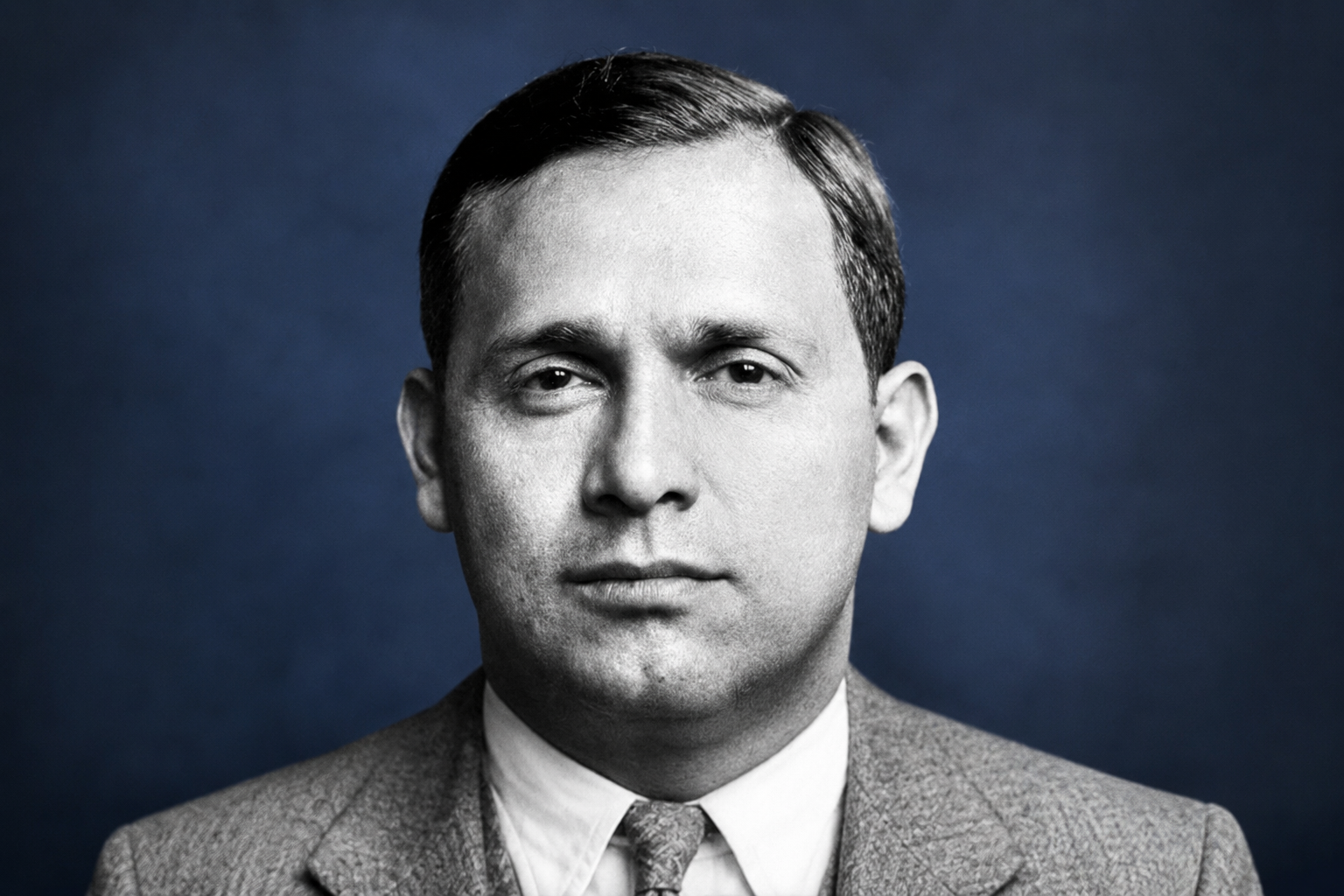
Search “lucchese tommy” and you get three different people jumbled together: a real Prohibition-era Mafia boss, a fictionalized TV character, and a Texas boot company. This guide sorts them out and gives you the documented facts on the man who actually mattered — Gaetano “Tommy” Lucchese, the Sicilian immigrant who rose off East Harlem’s streets to run one of New York’s Five Families for 16 years.
Who Is Lucchese Tommy?
Tommy Lucchese was one of the most powerful and longest-surviving bosses in American Mafia history. He led the crime family that still bears his name from 1951 until his death in 1967, sat on the national Mafia Commission, and built a racketeering empire rooted in New York’s garment district — all while avoiding a serious prison sentence for the last four decades of his life.
| Real name | Gaetano “Tommy” Lucchese |
| Nickname | “Three-Finger Brown” |
| Born | December 1, 1899, Palermo, Sicily |
| Died | July 13, 1967 (age 67), Lido Beach, New York |
| Boss tenure | 1951–1967 (Lucchese crime family) |
| Buried | Calvary Cemetery, Queens, New York |
| Height | Roughly 5’2″ |
One quick clarification, because searchers ask it constantly: this Tommy Lucchese has no connection to Lucchese Bootmaker, the El Paso, Texas boot brand founded by the Lucchese family of Italian cobblers in 1883. Same surname, entirely unrelated people. If you landed here looking for whether Lucchese boots are a good brand, that is a different company — this article is about the mob boss.
Early Life and Harlem Connection
Lucchese was born in Palermo and immigrated to the United States around age 12, with his family settling in East Harlem — the dense Italian-immigrant blocks around East 107th Street. That neighborhood was his classroom. He fell in with the 107th Street Gang, the same crew that produced a young Charles “Lucky” Luciano, and the two formed a working relationship that shaped the modern Mafia decades later.
The nickname came from an injury, not a boxing career. As a teenager working in a Harlem machine shop, Lucchese lost his right thumb and forefinger in an industrial accident. A police booking officer, noting the missing digits, tagged him “Three-Finger Brown” after the famous Chicago Cubs pitcher Mordecai “Three Finger” Brown. Lucchese reportedly hated the name — but it stuck for the rest of his life.
His record started early: a 1921 auto-theft conviction was the only real prison time he ever served. From then on he was disciplined, low-profile, and careful — traits that let him operate for 40-plus years without another conviction. His East Harlem beginnings tie directly into the neighborhood’s layered history, the same streets and institutions we cover in our pieces on New York’s 116th Street and the Audubon Ballroom — Harlem as the backdrop to figures who reshaped 20th-century America, for better or worse.
Career and Major Milestones
Lucchese spent roughly two decades as underboss to Tommaso “Tommy” Gagliano, quietly building influence while Gagliano kept the family off the front pages. When Gagliano died in 1951, Lucchese took over — and the organization has been known as the Lucchese crime family ever since.
His power base was the New York garment district. Through labor racketeering, trucking control, and stakes in clothing manufacturers, he embedded himself in a legitimate industry so thoroughly that prosecutors struggled to separate the crime from the commerce. When muscle was required, he had access to the enforcers of Murder, Inc.
Two things made him formidable beyond the usual:
- The Commission seat. Lucchese was a voting member of the Mafia’s national governing body, giving him a say in disputes far outside New York.
- Alliance by marriage of interests. His daughter married the son of Gambino boss Carlo Gambino, welding the two families into a bloc that dominated New York’s underworld politics through the late 1950s and 1960s.
People ask how powerful and how tall he was in the same breath, and the contrast is the point: at roughly 5’2″, Lucchese was physically small but sat among the most influential Commission bosses of his era — proof that in that world, brains and alliances outranked size. He’s frequently ranked alongside contemporaries like Anthony “Fat Tony” Salerno among the men who defined mid-century New York organized crime.
Personal Life and Family
Lucchese married Catherine, and the couple had children including a daughter, Frances, and a son, Baldassare (“Bobby”). Unlike the tenement image, his later home life was suburban — a house at Lido Beach on Long Island, well away from the Harlem blocks where he started.
His health failed in the mid-1960s. He was hospitalized in 1965 for heart trouble, and doctors later found a brain tumor. He died on July 13, 1967, at age 67 — of natural causes, a rarity for a boss of his standing. He is buried at Calvary Cemetery in Queens, one of the most common answers to the “tommy lucchese grave” query.
On net worth: you’ll find sites throwing out precise dollar figures. Treat them skeptically. Lucchese’s wealth was deliberately hidden across front businesses, cash, and associates’ names — no credible, sourced estimate of his fortune exists, and any specific number you see is a content-farm guess, not a verified accounting. The honest answer is that it’s unknowable.
Legacy and Cultural Impact
The Lucchese crime family outlived its founder and remains one of New York’s Five Families to this day — a durable legacy few bosses achieve. Lucchese is routinely counted among the “founding fathers” of the Americanized Mafia that emerged from the early-1930s Castellammarese War.
For most people today, though, the name resurfaced through television. In EPIX/MGM+’s Godfather of Harlem, Thomas Lucchese is played by Bo Dietl, the former NYPD detective. To be clear about the modifier so many searchers add: Lucchese was not “the Godfather of Harlem” — that framing belongs to the show, which centers on Bumpy Johnson’s Harlem. The real Lucchese is a supporting figure in that drama, and while the series captures his Commission-level authority, specific scenes and dialogue are dramatized, not documentary.
One more disambiguation: he’s often mentioned in discussions of Boardwalk Empire, but he was not a recurring on-screen character in that series in any prominent role. If you’re chasing a full Lucchese screen portrayal, Godfather of Harlem is the one to watch — just with the show-versus-reality caveats above.
Tommy Lucchese’s real distinction wasn’t flash. It was survival: four decades of power, one minor conviction, and a family name still spoken in New York’s underworld more than half a century after his death.
FAQs
Who plays Tommy Lucchese in Godfather of Harlem?
Thomas Lucchese is played by Bo Dietl, the former NYPD detective turned commentator, in EPIX/MGM+’s Godfather of Harlem. The character is a supporting figure; the series centers on Bumpy Johnson, and while it reflects Lucchese’s real Commission-level power, individual scenes are dramatized.
Why was Tommy Lucchese called Three-Finger Brown, and what happened to his hand?
As a teenager working in a Harlem machine shop, Lucchese lost his right thumb and forefinger in an industrial accident. A police booking officer nicknamed him ‘Three-Finger Brown’ after Cubs pitcher Mordecai ‘Three Finger’ Brown. Lucchese reportedly disliked the name, but it followed him for life.
How tall was Tommy Lucchese and how powerful was he?
Lucchese stood roughly 5’2″. Despite his small stature, he was one of the most influential Mafia bosses of his era — a voting member of the national Commission who ran the Lucchese family for 16 years and allied by marriage with the Gambino family.
How did Tommy Lucchese die and where is he buried?
Lucchese died of natural causes on July 13, 1967, at age 67, after heart trouble and a brain tumor. That’s unusually peaceful for a boss of his rank. He is buried at Calvary Cemetery in Queens, New York.
What was Tommy Lucchese’s net worth?
There is no credible, verified figure. His wealth was deliberately concealed across front businesses, cash, and associates’ names. Specific dollar amounts you see online come from speculative net-worth sites, not documented records, so his true fortune is effectively unknowable.
Is Lucchese the boot brand related to Tommy Lucchese the mob boss?
No. Lucchese Bootmaker is an El Paso, Texas boot company founded in 1883 by a separate family of Italian cobblers. It shares only the surname and has no connection to Tommy Lucchese the New York Mafia boss.