
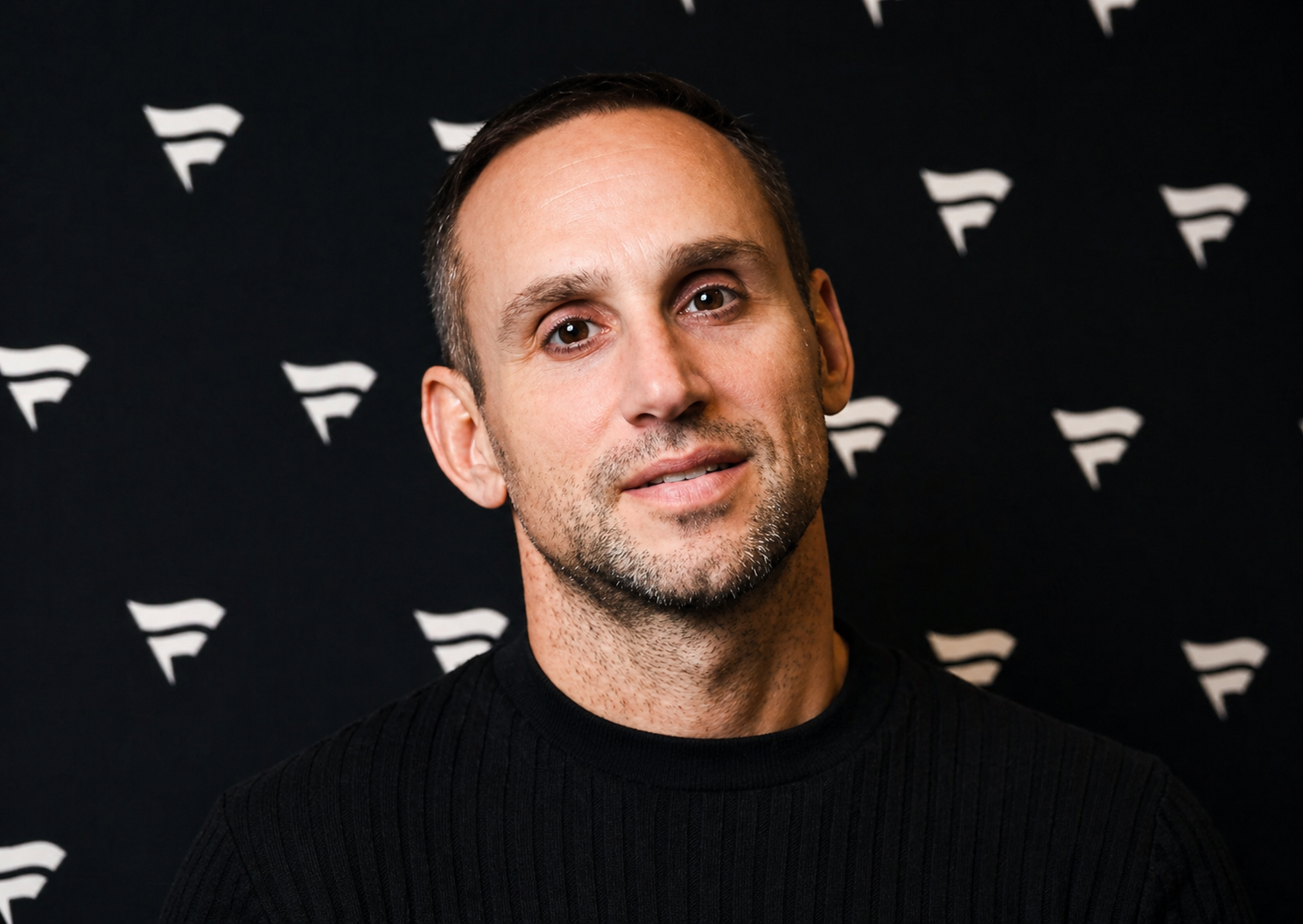
Michael Rubin did not build Fanatics by thinking like a traditional retailer. That is part of what makes his story stand out. Plenty of companies can sell licensed jerseys, team hoodies, and playoff T-shirts. Rubin saw something bigger. He understood that sports fans do not just buy products. They collect. They follow every moment. They want access, exclusivity, entertainment, and a stronger connection to the teams, leagues, and athletes they care about.
That wider view is what helped Fanatics grow from a sports merchandise business into something much larger. Under Rubin’s leadership, the company moved beyond apparel and built a broader sports platform that touches commerce, collectibles, betting, events, and media. The result is a company that no longer sits on the edge of the sports world. It is becoming part of how modern fandom works.
Michael Rubin’s Early Eye for Sports Commerce
Michael Rubin has long been known as an entrepreneur with a sharp instinct for where consumer behavior is heading. Before Fanatics became the giant it is today, he already had a reputation for understanding e-commerce, retail operations, and the power of digital demand. That background mattered because sports retail was changing fast.
Fans were no longer willing to settle for slow shipping, limited product drops, or outdated online buying experiences. They expected speed, variety, convenience, and a shopping experience that felt more in step with the excitement of live sports. Rubin recognized that gap early. He saw that sports merchandise was not just a side category in retail. It was an emotional purchase tied to loyalty, identity, and timing.
That gave Fanatics a strong foundation. The company could serve fans at the exact moments when interest was highest, whether that came from a championship win, a star player trade, a playoff run, or a major draft night. But Rubin’s success did not come from stopping there. He looked at the behavior around the purchase and realized that the real opportunity was much broader than apparel.
Why Fanatics Could Not Stay Just a Jersey Business
A company can do very well selling licensed sports products, but there is a limit to how far that model can go on its own. Merchandise is important, but it is only one part of the fan experience. Sports fans do not switch their passion on only when they want a new jersey. They engage year round. They follow storylines, track player movement, join conversations, open packs, chase rare items, place bets, attend fan events, and spend time inside a much wider sports culture.
Rubin seems to have understood that a while ago. If Fanatics stayed only in merchandise, it would still be a successful business, but it would miss the bigger picture. Modern fandom is not one lane. It is an ecosystem. The companies that win in that space are the ones that can stay relevant across different fan behaviors instead of only showing up at checkout.
That shift in thinking is one of the clearest reasons Michael Rubin’s Fanatics story matters. He did not just improve the sports retail model. He expanded the company around the full value of fandom.
How Michael Rubin Expanded Fanatics Beyond Traditional Retail
The original strength of Fanatics gave Rubin the room to think bigger. Commerce remained the engine, but it also became the launchpad. Instead of treating the retail business as the final destination, he used it as the base for expansion into new categories that were closely connected to the same audience.
That strategy matters because adjacent growth is often more powerful than random diversification. Fanatics did not jump into unrelated industries. It moved deeper into the sports fan economy. Every major expansion made sense in the context of what sports fans already care about.
Commerce Stayed the Engine
Even as Fanatics expanded, commerce never stopped being important. Selling licensed apparel, jerseys, headwear, lifestyle products, and team merchandise still gave the company scale, visibility, and a direct relationship with sports consumers. That part of the business remained essential because it kept Fanatics connected to leagues, teams, official partnerships, and fan demand at scale.
Rubin’s advantage here was not just in selling sports products online. It was in building a stronger sports commerce machine around speed, product availability, licensing relationships, and a direct-to-consumer mindset. That operational foundation made the rest of the expansion possible.
Collectibles Opened a Bigger Opportunity
One of the smartest moves in Fanatics’ growth story was the push into collectibles. This was more than just adding another product line. It was a way to connect with fans who do not simply buy to wear something. They buy to own, chase, display, and hold a piece of the sports story.
Trading cards, memorabilia, and collectible culture bring a different kind of customer relationship. They create repeat engagement, anticipation, scarcity, and emotional attachment. A fan who buys a jersey might make a seasonal purchase. A collector might stay active all year.
That is why collectibles fit so naturally into Fanatics’ broader strategy. It expanded the company’s reach from fan shopping into fan collecting, which is a powerful part of the sports economy on its own. Rubin’s success here came from seeing that the future of sports business was not just about merchandise volume. It was also about participation, ownership, and long-term engagement.
Betting and Gaming Added a New Layer to Fan Engagement
Betting and gaming pushed Fanatics even closer to the live sports experience. This move was important because it showed Rubin was not only thinking about what fans buy, but also how they interact with games in real time.
Sports betting is built on attention, emotion, timing, and repeat behavior. Those are all things that sit close to the heart of modern fandom. By moving into betting and gaming, Fanatics became part of a different kind of fan habit, one tied to participation rather than just purchase.
This was a meaningful step in the company’s evolution because it reinforced a broader theme in Rubin’s strategy. He was building Fanatics around fan behavior, not around a narrow category label. Once you look at the business that way, expanding beyond merchandise feels less like a risk and more like the logical next step.
Events Helped Fanatics Become Part of Sports Culture
There is a difference between selling to fans and becoming part of fan culture. Events help close that gap. They bring people into shared spaces, create moments that live beyond a transaction, and make a brand feel more present in the world fans care about.
For Fanatics, events are a natural extension of the larger platform idea. Live experiences give the company a chance to connect commerce, collectibles, celebrity, league partnerships, and cultural energy in one place. They also deepen brand loyalty in a way that digital storefronts alone cannot always do.
This is another reason Rubin’s success story feels bigger than a standard retail expansion. He has been building a company that can show up across multiple parts of the fan journey. Events make that strategy feel more visible and more human.
Studios and Markets Show the Company Is Still Expanding
Fanatics’ growth also points to something else. Rubin is still building. The company’s move into newer areas like studios and markets suggests that the larger vision is still unfolding.
That matters because it shows Fanatics is not treating expansion as a one-time play. It is continuing to widen its role in sports culture, sports commerce, and fan engagement. Media, marketplace activity, and adjacent sports businesses all make sense when the goal is to become more central to the fan experience rather than staying boxed into one category.
A lot of founders build a successful business and spend years defending the original model. Rubin seems more interested in extending the model while the opportunity is still growing. That mindset has helped Fanatics become harder to describe in a single sentence, which is usually a sign that a company has outgrown its original label.
What Michael Rubin Understood About Modern Sports Fans
The biggest strength in this story may be Rubin’s read on what sports fans really want today. Fans are not passive customers. They do not just buy gear and disappear until next season. They stay connected across content, community, collecting, live moments, and digital experiences.
That change in behavior created a major opening for any company willing to think beyond standard retail. Rubin appears to have seen that fandom had become a year-round economy. It was no longer only about team stores or event-driven shopping spikes. It was about attention, participation, loyalty, and emotional investment spread across multiple channels.
Once you understand fandom that way, the Fanatics expansion starts to make more sense. Merchandise is one piece. Collectibles are another. Betting adds another layer. Events deepen engagement. Media and related platforms help keep the brand tied to fan attention.
Rubin’s success was not just in spotting these categories individually. It was in seeing how they connect.
How Fanatics Became a Broader Sports Platform
The real achievement behind Fanatics is not simply scale. It is structure. The company is becoming broader because its businesses can reinforce one another. A fan might buy licensed gear, follow a card release, engage with a live event, explore betting, and stay connected through related media or marketplaces. Those are different touchpoints, but they all sit inside the same larger world.
That is what makes Fanatics feel less like a single-purpose retailer and more like a sports platform. Michael Rubin did not build a company around only one type of product. He built around the many ways fans spend time, attention, and money inside sports.
This also helps explain why Fanatics has become such a notable business case. It reflects a larger shift in the sports industry itself. The line between retail, entertainment, collecting, gaming, and media keeps getting thinner. Fanatics grew by moving with that shift instead of resisting it.
The Business Lesson Behind Michael Rubin’s Fanatics Strategy
There is a useful lesson here for founders, operators, and anyone studying how companies grow. The biggest opportunities do not always come from doing one thing better forever. Sometimes they come from understanding the wider behavior around what you already do well.
Michael Rubin started with a strong position in sports merchandise, but the real success came from recognizing where that position could lead. He did not move away from the core. He built outward from it. That kind of expansion is usually more durable because it stays close to the customer while widening the business model.
That is also why Fanatics has become more than a merchandising company. It is growing by staying aligned with how fans actually behave. That may be the most important strategic insight in Rubin’s journey.
Why Michael Rubin’s Fanatics Story Stands Out
A lot of founder stories follow a familiar pattern. Someone spots a gap, builds a business, scales it, and turns it into a recognized brand. Michael Rubin’s story with Fanatics is more interesting because it is not just about building a successful company. It is about redefining what kind of company Fanatics could become.
He took a business that many people would have described as sports retail and pushed it toward a much broader role in the sports industry. He expanded from merchandise into collectibles, betting, events, and newer fan-facing categories without losing sight of the audience that made the company strong in the first place.
That is what makes his success with Fanatics worth paying attention to. He did not just build around products. He built around fandom itself.


