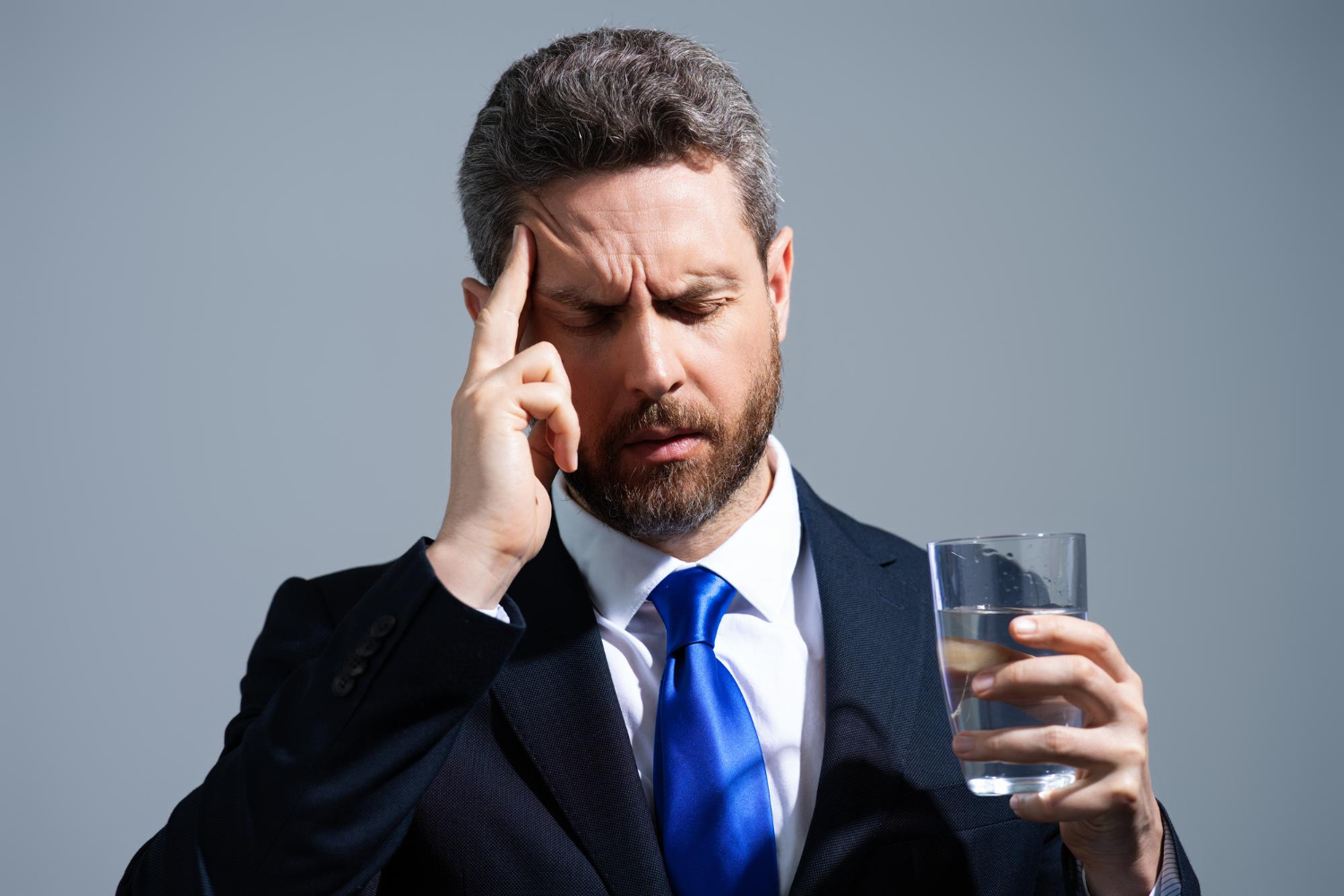
Have you ever noticed your ears ringing after a long, dry day or an intense workout? That ringing, buzzing, or hissing sound is called tinnitus, and for some people, it seems to flare up when they’re dehydrated.
While tinnitus can have many causes, dehydration is often overlooked as a contributing factor. In this article, we’ll explore whether dehydration can cause or worsen tinnitus, how the body’s fluid balance affects the ears, and what you can do to stay hydrated and protect your hearing health.
What Is Tinnitus and What Does It Feel Like?
Tinnitus is the perception of sound when no external source is present. Most people describe it as a constant or intermittent ringing, buzzing, hissing, or clicking sound in one or both ears.
There are two main types:
- Subjective tinnitus: Heard only by the person experiencing it.
- Objective tinnitus: Rare, but can be heard by a doctor during examination.
Tinnitus can result from hearing loss, loud noise exposure, ear infections, or even stress. While it’s not a disease itself, it’s often a symptom of an underlying issue.
Can Dehydration Cause Tinnitus?
Yes, dehydration can contribute to tinnitus or make it worse. Although not the most common cause, it plays a role in disrupting your inner ear’s delicate balance.
Your ears rely on adequate hydration to maintain proper fluid levels and circulation. When you’re dehydrated, your blood volume drops, and electrolyte levels shift—both of which can affect the auditory system. While not everyone with tinnitus is dehydrated, those prone to inner ear issues may be more sensitive to fluid loss.
How Dehydration Affects the Inner Ear and Hearing
Your inner ear is a highly sensitive system. It depends on proper fluid balance, nerve signaling, and blood circulation to function. When hydration levels drop, this balance can be disrupted.
Fluid Regulation in the Inner Ear
The cochlea and vestibular system inside your ear are filled with specialized fluids. These fluids help transmit sound and maintain your balance. Dehydration can alter their pressure and composition, causing ear-related symptoms like tinnitus or dizziness.
Reduced Blood Flow to the Ears
When you’re dehydrated, your body conserves water by reducing blood flow to less essential areas—including the ears. Poor circulation can reduce oxygen and nutrient delivery to auditory nerves, increasing the chances of hearing disturbances.
Electrolyte Imbalance
Dehydration often throws off electrolyte levels. Sodium, potassium, and magnesium are crucial for nerve function. An imbalance may impair signal transmission to and from the ears, potentially resulting in ringing or buzzing sensations.
Signs You May Be Dehydrated
Dehydration isn’t always obvious. Here are common signs to watch for:
- Dry mouth or sticky saliva
- Dark yellow urine
- Dizziness or lightheadedness
- Dry or flaky skin
- Fatigue or sluggishness
- Fewer bathroom visits
- Increased thirst
- Headaches or brain fog
If you notice these symptoms alongside a tinnitus flare-up, dehydration may be playing a role.
When Tinnitus and Dehydration Coincide
Some people notice their tinnitus worsens under certain conditions. Dehydration might be the common factor linking these scenarios:
- Hot weather or excessive sweating: Your body loses fluids faster.
- Strenuous exercise: Without rehydration, the inner ear may be affected.
- High caffeine or alcohol intake: Both are diuretics and can increase fluid loss.
- Skipping meals or fluid intake: Reduced hydration levels impact the nervous system.
- Illness or vomiting: Fluids and electrolytes drain rapidly, impacting inner ear balance.
If you find a consistent pattern between dehydration and ear ringing, hydration may help reduce symptoms.
Other Causes of Tinnitus to Rule Out
While dehydration is a potential factor, it’s not the only one. Other causes include:
- Age-related hearing loss (presbycusis)
- Loud noise exposure from concerts, headphones, or machinery
- Earwax blockages that interfere with sound transmission
- Middle or inner ear infections
- Ototoxic medications like aspirin, certain antibiotics, or chemotherapy drugs
- High blood pressure or vascular issues
- TMJ dysfunction or neck injuries
If hydration doesn’t help or your symptoms are worsening, consult a hearing specialist or ENT.
How to Stay Hydrated to Reduce Tinnitus Flare-Ups
Proper hydration isn’t just about drinking water. It’s about maintaining a consistent fluid balance throughout the day. Here are tips to stay hydrated and potentially ease tinnitus symptoms:
- Drink 8 to 10 glasses of water daily (adjust based on activity and climate)
- Eat water-rich foods: watermelon, cucumbers, lettuce, oranges
- Avoid or limit alcohol and caffeine, especially in hot weather
- Use electrolyte drinks after sweating or illness
- Set hydration reminders on your phone or use apps to track water intake
- Listen to your body: thirst, dry mouth, and fatigue are early warning signs
Even mild dehydration can affect sensitive systems like the ears. Staying hydrated may help reduce frequency and intensity of tinnitus episodes.
Other Remedies to Help Manage Tinnitus
If hydration alone doesn’t improve your tinnitus, consider these supportive approaches:
- White noise machines or apps to mask the ringing
- Hearing aids for those with coexisting hearing loss
- Cognitive Behavioral Therapy (CBT) to reduce tinnitus-related stress
- Magnesium or zinc supplements (consult a healthcare provider first)
- Avoid loud environments or wear hearing protection
- Tinnitus retraining therapy (TRT) to change your response to sound
Managing tinnitus usually requires a multifaceted approach, but hydration is a smart, simple place to start.
When to See a Doctor About Tinnitus
Tinnitus is usually not dangerous, but certain symptoms mean it’s time for a medical evaluation:
- Ringing only in one ear
- Sudden hearing loss or ear fullness
- Tinnitus that worsens rapidly
- Accompanying dizziness, vertigo, or balance problems
- High-pitched ringing after new medication
A doctor can perform hearing tests, ear exams, and imaging to determine the underlying cause and best treatment.
Conclusion
So, can dehydration cause tinnitus? In some cases, yes. Dehydration can alter inner ear fluid levels, reduce circulation, and upset nerve function—all of which can contribute to or worsen tinnitus.
If you notice a link between your water intake and ear symptoms, try improving your hydration habits. It’s a simple, low-risk strategy that could make a big difference. And if symptoms persist, seek medical guidance to explore other possible causes.
FAQs
Is tinnitus from dehydration permanent?
No, if dehydration is the cause, symptoms typically subside with proper hydration.
How much water should I drink to help with tinnitus?
Start with 8–10 glasses daily, but adjust for age, weight, activity level, and climate.
Can electrolyte drinks help relieve tinnitus?
They can, especially if your tinnitus is triggered by fluid or mineral imbalance.
Does caffeine make tinnitus worse if I’m dehydrated?
Yes. Caffeine can dehydrate you and stimulate the nervous system, possibly intensifying tinnitus.
Should I see a doctor if my tinnitus doesn’t improve with hydration?
Absolutely. Persistent or worsening tinnitus should be evaluated to rule out other health conditions.